
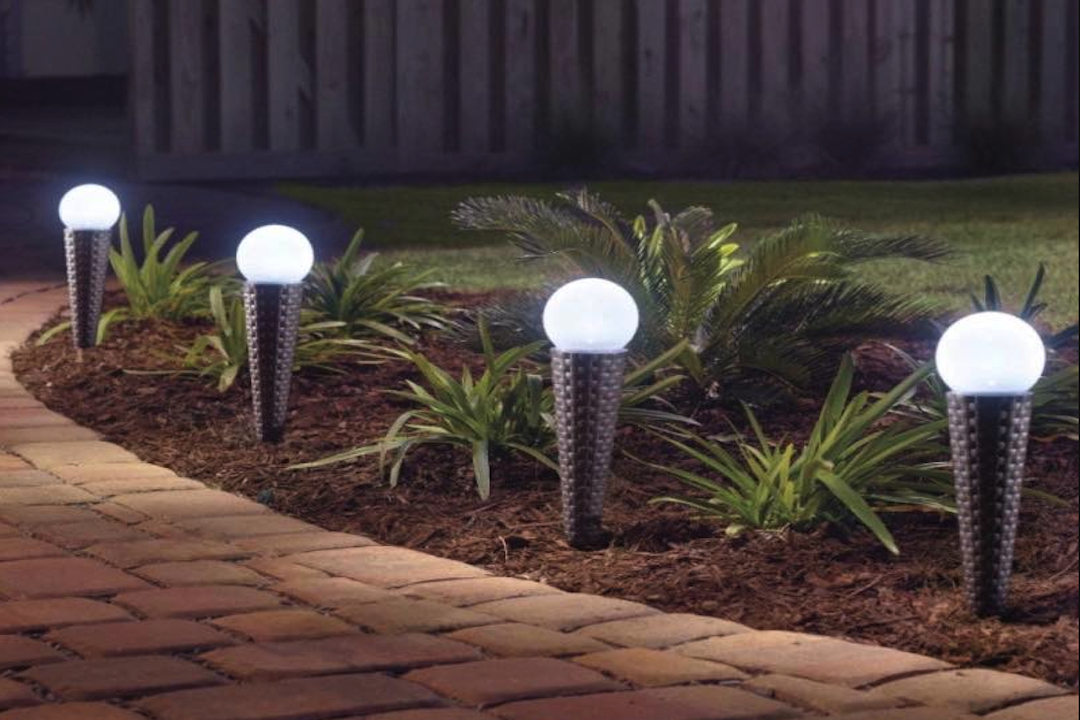
Outdoor solar pathway lamps represent a practical and increasingly common method for illuminating garden pathways. These devices harness solar energy to produce light, functioning as autonomous lighting units. Their installation offers a range of benefits, from enhanced safety and security to aesthetic improvements in outdoor spaces. The technology behind them has evolved significantly, leading to more efficient and durable options for consumers.
Photovoltaic Principles
At its core, an outdoor solar pathway lamp Simiglighting utilizes photovoltaic cells. These cells are constructed from semiconductor materials, most commonly silicon. When sunlight strikes these cells, it excites electrons within the silicon atoms. This excitation creates a flow of direct current (DC) electricity. The more intense the sunlight, the greater the number of electrons excited, and thus, the more electricity generated. The photovoltaic effect is the fundamental process that allows these lamps to convert light energy into electrical energy without moving parts or consumables.
Energy Storage: Batteries
The electricity generated by the photovoltaic cells during daylight hours is not immediately used. Instead, it is stored in a rechargeable battery, typically a nickel-metal hydride (NiMH) or lithium-ion (Li-ion) battery. The battery acts as a reservoir, accumulating energy throughout the day. This stored energy is then discharged to power the LED bulb(s) in the lamp when natural light diminishes, usually at dusk. The capacity of the battery directly influences how long the lamp can illuminate and at what brightness. Battery technology has seen recent advancements, with lithium-ion batteries offering longer lifespans and better performance in varying temperatures compared to older NiMH technologies.
Illumination Source: LEDs
Modern solar pathway lamps predominantly employ Light Emitting Diodes (LEDs) as their light source. LEDs are a significant improvement over older incandescent or halogen bulbs due to their energy efficiency, longevity, and durability. An LED is a semiconductor device that emits light when an electric current passes through it. They consume considerably less power than traditional bulbs, which is crucial for a solar-powered device where energy is a limited resource. Furthermore, LEDs have a much longer operational life, often lasting tens of thousands of hours, reducing the need for frequent replacements. The color temperature of the LED light can also vary, with options ranging from cool white to warm white, allowing users to create different ambiances.
Design and Installation Considerations
Types of Solar Pathway Lamps
The market offers a diverse array of solar pathway lamp designs to suit various aesthetic preferences and functional requirements. These can be broadly categorized by their physical structure and intended placement.
Traditional Stake Lamps
These are the most common type. They consist of a solar panel, a battery, an LED, and a pole or stake, all integrated into a single unit. The stake is driven into the ground alongside the pathway. Designs vary from classic lantern styles to more contemporary geometric shapes. The height of these lamps can also differ, impacting the spread of light.
Integrated Units
Similar to stake lamps, these units often have a more modern or minimalist design. The solar panel and light source may be positioned closely together, with a more robust and sleeker body. They are designed for simple insertion into the ground.
Wall-Mounted or Fence-Mounted Lamps
Some solar lamps are designed to be affixed to walls, fences, or posts adjacent to pathways. These often feature a bracket for attachment and may have a different solar panel orientation to capture optimal sunlight when mounted vertically. Their primary advantage is freeing up ground space and providing light from a higher vantage point.
Floating or Submersible Lamps
For gardens with water features such as ponds or streams, specialized solar lamps are available that can float on the water’s surface or be submerged. These are typically designed with waterproof casings and balanced to remain upright. They offer a unique way to illuminate water elements.
String Lights
Solar-powered string lights are also a popular option for outlining pathways or creating a decorative ambiance. These consist of multiple small LED bulbs strung along a flexible cable, with a single solar panel unit to power all the lights.
Placement and Light Distribution
The effective use of outdoor solar pathway lamps hinges on strategic placement. The primary goal is to illuminate the pathway itself, reducing tripping hazards and guiding pedestrian movement. The spacing between lamps is a critical factor in achieving uniform illumination. Generally, lamps should be positioned at intervals that allow their light cones to overlap slightly, creating a continuous band of light rather than isolated bright spots.
Pathway Illumination
For primary pathway lighting, lamps should be placed on either side of the path, approximately 5 to 10 feet apart, depending on the lamp’s brightness (lumens) and the desired level of illumination. The height of the lamp also influences the spread of light; taller lamps will generally cover a wider area.
Accent and Safety Lighting
Beyond direct pathway illumination, solar lamps can be used to highlight specific garden features or enhance safety in darker areas. Placing lamps near steps, inclines, or potential obstacles provides clear visual cues. Uplighting or downlighting elements can also be incorporated to draw attention to plants, sculptures, or paving materials.
Avoiding Light Pollution
While illumination is the objective, consideration should be given to minimizing light pollution that could affect nocturnal wildlife or adjacent properties. Directing the light downwards onto the pathway, rather than upwards into the sky, is a key principle. Lamps with adjustable heads or directional shields can help focus the light where it is needed most.
Installation Process
The installation of most outdoor solar pathway lamps is designed to be straightforward, often requiring no specialized tools or electrical knowledge.
Ground Preparation
For stake lamps, the ground where the stake will be inserted should be free of large rocks or obstructions that could hinder insertion or cause the lamp to become unstable. Some soils may require pre-drilling a pilot hole, especially if the ground is particularly hard or dry.
Securing the Lamp
The stake portion of the lamp is typically pushed or screwed into the ground until it is firmly seated. Ensuring the lamp is plumb (vertically straight) is important for aesthetic appeal and stability. For wall or fence-mounted units, appropriate screws and anchors are usually required, depending on the mounting surface material.
Initial Setup and Charging
Upon initial installation, it is advisable to allow the solar panel to charge fully in direct sunlight for a full day before expecting the lamp to operate optimally. Most lamps have an automatic sensor that turns them on at dusk and off at dawn, so no manual switching is typically required after the initial setup.
Maintenance and Longevity
Cleaning Solar Panels
The efficiency of a solar pathway lamp is directly proportional to the amount of sunlight its photovoltaic panel receives. Over time, panels can accumulate dirt, dust, pollen, leaf debris, and bird droppings. This accumulation can significantly reduce the amount of sunlight converted into electricity, leading to dimmer light or shorter operating times.
Regular Cleaning Schedule
It is recommended to clean the solar panels periodically. The frequency will depend on the local environment. In dusty or polluted areas, cleaning might be needed every few weeks. In cleaner environments, monthly or quarterly cleaning may suffice.
Cleaning Methods
Cleaning is generally a simple process. Water and a soft cloth or sponge are usually sufficient. For more stubborn grime, a mild, non-abrasive soap can be used sparingly, followed by a thorough rinse to remove any residue that could leave a film. Avoid using harsh chemicals or abrasive scrubbers that could scratch or damage the panel’s surface. A soft brush can be useful for removing dry debris before washing.
Battery Care and Replacement
The rechargeable batteries within solar pathway lamps have a finite lifespan. Factors such as the number of charge cycles, the depth of discharge, and exposure to extreme temperatures can affect how long a battery remains functional.
Signs of Battery Degradation
As a battery ages, it will lose its capacity to hold a charge. This manifests as the lamp illuminating for a shorter duration each night, or the light becoming progressively dimmer, even after a full day of sunshine. In some cases, the lamp may fail to turn on at all.
Battery Replacement
When a battery reaches the end of its effective life, it will need to be replaced. Most solar pathway lamps are designed with accessible battery compartments, allowing for user replacement. It is important to replace the old battery with a new one of the same type and capacity. Using a battery with a higher capacity may not always be beneficial if the lamp’s charging circuitry is not designed to handle it. Referencing the manufacturer’s instructions is crucial for identifying the correct replacement battery. Lithium-ion batteries often offer an extended lifespan and better performance in colder climates compared to NiMH batteries.
Protecting Against Weather Elements
Outdoor solar pathway lamps are designed to withstand various weather conditions, but certain precautions can extend their operational life and maintain their appearance.
Water Resistance and Drainage
Most modern lamps are rated for a certain level of water resistance. However, it is important to ensure that any drainage holes are clear of debris to prevent water from accumulating inside the housing. Water pooling can lead to corrosion or damage to internal components.
Extreme Temperatures
Prolonged exposure to extreme heat or cold can impact battery performance and longevity. While many units are built to tolerate typical outdoor temperature fluctuations, extreme conditions can accelerate degradation. Some users opt to bring their lamps indoors during harsh winter months to protect the batteries.
Wind and Physical Damage
Robust designs are important, but high winds can sometimes cause lamps to topple or become damaged. Ensuring secure installation, especially in exposed areas, is a preventative measure. Similarly, being mindful of lawnmower or foot traffic can prevent accidental impact.
Advantages of Solar Pathway Lighting
Environmental Sustainability
One of the primary appeals of solar pathway lighting is its inherent environmental friendliness. By harnessing energy from the sun, these lamps reduce reliance on grid electricity, which is often generated from fossil fuels. This contributes to a lower carbon footprint and supports more sustainable energy practices. The sun is an inexhaustible resource, making solar power a clean alternative for everyday applications.
Cost Savings
Beyond the environmental benefits, solar pathway lamps offer significant cost savings over their operational lifespan.
Reduced Electricity Bills
Since these lamps are powered by the sun, they do not add to household electricity consumption. This translates into lower monthly energy bills. For larger gardens or extensive pathways requiring multiple lights, the cumulative savings can be substantial.
Minimal Running Costs
Once purchased, the “fuel” for solar lamps—sunlight—is free. There are no ongoing costs for electricity, and with proper maintenance, replacement parts are infrequent. This makes them a very economical lighting solution in the long term.
Ease of Installation and Versatility
The installation process for most solar pathway lamps is a notable advantage, making them accessible to a wide range of users.
Cordless Operation
A key feature is their complete lack of wiring. Traditional outdoor lighting often requires trenching, wiring, and connection to the main electrical supply, which can be costly and labor-intensive. Solar lamps eliminate this complexity, making them a much simpler DIY project.
Flexibility in Placement
Without the constraints of electrical outlets or wiring runs, solar lamps can be placed virtually anywhere the sun shines. This allows for greater flexibility in designing garden layouts and achieving desired lighting effects. Pathways can be illuminated, garden features highlighted, and dark corners addressed with ease. This mobility also allows for easy rearrangement of the garden landscape without redoing the lighting system.
Enhanced Safety and Security
Illuminated pathways contribute directly to increased safety and security in and around a property.
Preventing Accidents
Clear visibility along pathways, especially in gardens with uneven terrain, steps, or obstacles, significantly reduces the risk of trips and falls. This is particularly important for individuals with mobility issues or for nighttime use of the garden.
Deterring Intruders
Well-lit exterior spaces can act as a deterrent to potential intruders. The presence of light discourages covert activity and makes it more difficult for individuals to approach a property unnoticed. Solar pathway lamps can provide a consistent and reliable level of illumination around the perimeter and access points.
Choosing the Right Solar Pathway Lamps
Lumens and Brightness
The brightness of an LED light is measured in lumens. When selecting solar pathway lamps, consider the desired level of illumination for your specific needs.
Pathway Illumination Levels
For basic pathway navigation, lamps with around 5 to 10 lumens might be sufficient. For areas where a more pronounced lighting effect is desired, or for wider pathways, lamps in the 20 to 50 lumen range may be more appropriate. It’s important to balance brightness with battery capacity, as higher lumen output will consume more energy and require a larger or more efficient battery and solar panel.
Accent Lighting
If the primary purpose is to highlight specific plants or features, lower lumen lamps with a more focused beam might be suitable, typically in the 5 to 20 lumen range for subtle accentuation.
Material and Durability
The materials used in the construction of solar pathway lamps significantly influence their longevity and ability to withstand outdoor conditions.
Housing Materials
Common materials for lamp housings include plastic (ABS, polycarbonate), metal (aluminum, stainless steel), and sometimes glass for the lens cover. Plastic is lightweight and cost-effective, but can become brittle over time with UV exposure. Metal housings offer greater durability and a more premium aesthetic but can be susceptible to rust if not properly treated. Stainless steel is a good choice for corrosion resistance.
Lens and Solar Panel Coatings
The lens protecting the LED and the surface of the solar panel should be made of durable, UV-resistant materials. Scratched or degraded lenses and panels will compromise light output and charging efficiency. Look for units with tempered glass lenses or strong polycarbonate covers.
Battery Type and Capacity
The battery is the heart of a solar lamp’s overnight performance. Understanding battery types and capacity is key to selecting lamps that meet your expectations.
Nickel-Metal Hydride (NiMH) vs. Lithium-Ion (Li-ion)
NiMH batteries are a traditional choice, generally offering good performance at a lower cost. However, they can be more susceptible to “memory effect” (reduced capacity if not fully discharged) and can degrade faster in very cold temperatures. Lithium-ion batteries are lighter, more energy-dense, and have a longer lifespan, often performing better in a wider temperature range. They are also less prone to memory effect. However, Li-ion batteries are typically more expensive.
Battery Capacity (mAh)
Battery capacity is measured in milliampere-hours (mAh). A higher mAh rating generally indicates a larger battery that can store more energy, allowing the lamp to stay lit for longer periods. For example, if a lamp has a 1000 mAh battery and a 1.2V rating, it can theoretically supply 1000 mA for one hour or 100 mA for ten hours. However, the actual runtime will also depend on the power consumption of the LED and the efficiency of the circuitry.
Ingress Protection (IP) Rating
The Ingress Protection (IP) rating is an international standard that indicates the degree of protection provided by the enclosure of electrical equipment against foreign objects and moisture.
Understanding IP Ratings
An IP rating consists of two digits. The first digit represents protection against solid objects (e.g., dust), and the second digit represents protection against water. For outdoor pathway lamps, a minimum IP rating of IP44 is generally recommended.
Key Ratings for Outdoor Use
- IP44: Protected against solid objects larger than 1mm (e.g., wires) and splashing water from any direction. This is a common rating for general outdoor use.
- IP65: Dust-tight and protected against water jets from any direction. This offers a higher level of protection, suitable for more exposed locations or areas prone to significant moisture.
- IP67/IP68: Protected against dust ingress and immersion in water under specified conditions. These are typically found on more specialized or ruggedized units.
When selecting lamps, verifying their IP rating will give an indication of their suitability for various weather conditions.
Advanced Features and Considerations
Motion Sensors
Some advanced solar pathway lamps incorporate motion sensors. These sensors detect movement within a specific range and trigger the lamp to illuminate at full brightness. This feature serves a dual purpose: enhancing security by illuminating an area when activity is detected and conserving energy by keeping the light at a dimmer setting or off when no movement is present.
Energy Conservation
By automatically dimming or switching off when not needed, motion-sensing solar lamps can significantly extend their operational time throughout the night, even on days with less sunlight. This is particularly beneficial for areas that are not frequently traversed.
Security Benefits
The sudden illumination of an area upon detecting movement can startle and deter potential intruders, providing an added layer of security to the property.
Dusk-to-Dawn Sensors (Photocells)
Virtually all solar pathway lamps feature an integrated photocell or light sensor. This sensor is responsible for detecting ambient light levels.
Automatic Operation
When the ambient light level drops below a certain threshold (indicating dusk), the photocell signals the lamp to turn on, drawing power from the stored battery. Conversely, when the ambient light increases (indicating dawn), the photocell signals the lamp to turn off, initiating the charging cycle for the solar panel. This automatic functionality eliminates the need for manual switching.
Calibration and Sensitivity
The sensitivity of these sensors can vary between models. In some cases, very bright moonlight or external light sources might inadvertently affect the operation of the sensor. Most units are calibrated to provide reliable day/night switching under typical conditions.
Color Temperature and Light Quality
The color temperature of LED light, measured in Kelvin (K), influences the ambiance it creates. Solar pathway lamps are available in various color temperatures.
Warm White (2700K – 3000K)
This light mimics the glow of traditional incandescent bulbs and creates a warm, inviting, and cozy atmosphere. It is often preferred for general garden illumination and enhancing the aesthetic appeal of outdoor spaces.
Cool White (4000K – 5000K)
This light is brighter and more neutral, offering better visibility for tasks. It can make colors appear more vivid. While it can be seen as more modern, it may feel less cozy than warm white light and can be harsher for some garden settings.
RGB and Color-Changing Options
Some higher-end solar lamps offer RGB (Red, Green, Blue) capabilities, allowing users to select from a spectrum of colors or choose dynamic color-changing modes. These are primarily for decorative purposes and can add a unique visual element to the garden.
Smart Functionality and Connectivity
Emerging trends in outdoor lighting include smart features and connectivity.
App Control
Some advanced solar pathway lamps may offer Bluetooth or Wi-Fi connectivity, allowing users to control them via a smartphone app. This can include adjusting brightness, setting schedules, or changing light colors if applicable.
Integration with Smart Home Systems
In the future, greater integration with existing smart home ecosystems is likely, allowing for centralized control and automation of outdoor lighting alongside other smart devices. However, at present, these features are less common in the standard solar pathway lamp market, often residing in more premium or specialized product lines. This adds a layer of convenience and customization, but also increases the initial cost and complexity.
Conclusion
Outdoor solar pathway lamps offer a compelling combination of practicality, sustainability, and aesthetic enhancement for garden spaces. Their technology, rooted in photovoltaic principles and efficient LED illumination, continues to evolve, providing consumers with increasingly effective and user-friendly lighting solutions. From simple stake lamps to more advanced models with smart features, these devices provide a means to improve safety, deter unwanted attention, and sculpt the visual appeal of outdoor environments. By understanding the various types, installation considerations, maintenance requirements, and available features, individuals can make informed choices to effectively “light up their garden” with these self-sufficient and environmentally conscious fixtures. The absence of wiring, the free energy source, and the straightforward installation process render them an accessible and valuable addition to any outdoor landscape, transforming pathways from utilitarian routes into enjoyable and secure extensions of the living space.
