
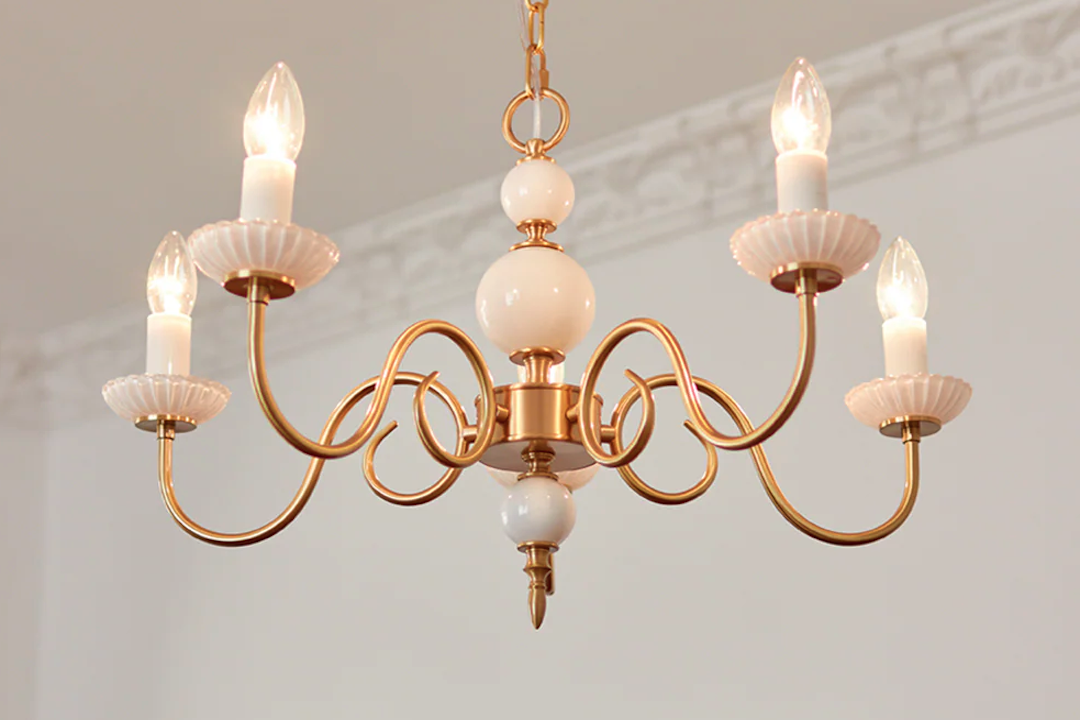
When it comes to lighting up a space with a touch of enduring character, vintage brass chandeliers often come to mind. They’re not just old light fixtures; they represent a blend of craftsmanship, durable materials, and a design philosophy that stands the test of time. These pieces can genuinely elevate a room, adding a nuanced layer of history and sophistication without needing to scream for attention. We’re talking about real brass, not just a brass-looking finish, and designs that have proven their appeal over decades.
There’s a clear reason why vintage brass chandeliers Lumesdesign continue to be sought after: their inherent quality and unique aesthetic. Unlike mass-produced modern fixtures, these older pieces often boast an attention to detail and material honesty that’s hard to replicate.
Durability and Material Quality
One of the most compelling aspects of vintage brass is its material strength. Solid brass doesn’t just look good; it’s built to last. It resists corrosion better than many other metals, meaning a well-maintained vintage piece can easily outlive its contemporary counterparts.
- Longevity of Brass: Brass, an alloy primarily of copper and zinc, is known for its robustness. It doesn’t rust, and its patina, which develops naturally over time, actually protects the metal beneath. This is a far cry from plated fixtures that can flake or chip.
- Weight and Substance: You can often feel the difference. Vintage brass chandeliers tend to be heavier, indicating a substantial amount of solid metal was used, not just thin sheets or a hollow frame.
Unique Patina and Aesthetic Depth
The natural aging process of brass creates a rich, complex patina that adds significant character. This isn’t a factory-applied finish; it’s a history etched into the metal itself.
- A Story in Every Piece: That subtle darkening, the slight variations in color – it all tells a story. Each scratch or ding isn’t a flaw but a marker of its journey, contributing to its unique charm.
- Beyond Polished Brashness: While you can polish brass to a high shine, many owners prefer the subdued, warm glow of an aged patina. It’s less ostentatious and often blends more smoothly into various decor styles.
Design Integrity and Craftsmanship
Vintage chandeliers weren’t just assembled; they were often crafted. This distinction is crucial and shows in the intricate details and thoughtful design elements.
- Hand-Finished Details: Look closely at older pieces, and you’ll often see evidence of hand-tooling – slight imperfections that speak to human touch, not machine precision. This adds authenticity.
- Evolution of Styles: From elaborate Victorian designs to streamlined Art Deco pieces, vintage brass chandeliers showcase a fascinating evolution of design principles. Each era left its distinct mark.
Identifying Authentic Vintage Brass
It’s easy to be fooled by reproductions or pieces with a mere brass finish. Knowing what to look for can save you from a disappointing purchase.
The Magnet Test
This is a simple, effective first step.
- Brass is Non-Magnetic: Solid brass isn’t magnetic. If a magnet sticks to the fixture strongly, it’s likely steel or iron with a thin brass plating. A weak attraction might indicate brass-plated cast iron, which isn’t solid brass but usually still holds up better than modern plated steel.
Weight and Feel
As mentioned, genuine brass has a substantial heft.
- Density Matters: Pick it up if you can. A lightweight piece is rarely solid brass. You’re looking for something that feels solid and durable, not flimsy.
Examining the Finish
Look beyond the surface sheen.
- Uniformity and Wear: Over time, brass plating can wear thin in high-contact areas, revealing the base metal underneath – typically a silvery color for nickel or steel. Solid brass will show a consistent color throughout, even if it’s deeply patinated.
- Patina Characteristics: Authentic patina is typically uneven in its richness, concentrating in recessed areas and showing subtle variations across the surface. A perfectly uniform “aged brass” finish is usually factory applied.
Construction Details
How the piece is put together can also offer clues.
- Soldering and Joins: Look at the way components are joined. Older brass pieces often feature visible, hand-soldered seams, which are sometimes less perfect but more robust than modern machine welds or cheap glues.
Integrating Vintage Brass into Modern Homes
Don’t think of vintage brass chandeliers as strictly for period homes. Their versatility allows them to blend surprisingly well with contemporary aesthetics, creating a dynamic contrast.
Balancing Old and New
The key is often to create a dialogue between the different design elements, not to make everything match perfectly.
- A Focal Point: In a minimalist or modern space, a vintage brass chandelier can become an instant focal point, breaking up stark lines and adding warmth.
- Layering Textures: The metallic sheen (or subdued patina) of brass can beautifully complement textiles like linen, wool, or even concrete finishes, adding visual interest.
Diverse Design Styles
Vintage brass chandeliers come in a multitude of styles, allowing for broad application.
- Art Deco Sophistication: Geometric forms, stepped designs, and clean lines from the Art Deco period (1920s-1940s) can appear surprisingly contemporary and work well in sleek, urban environments.
- Mid-Century Modern Warmth: Simpler, often Sputnik-style or linear designs from the 1950s-1970s, blend effortlessly with mid-century furniture and bohemian aesthetics.
- Victorian Grandeur (with a Twist): Even ornate Victorian or Edwardian pieces can find a home in a modern setting. Picture a grand brass chandelier in an otherwise pared-back dining room – it’s an unexpected but visually arresting combination.
Placement Considerations
Where you hang it makes all the difference.
- Dining Room Centerpiece: This is a classic placement. A vintage brass chandelier over a dining table provides both functional light and a dramatic aesthetic anchor.
- Entryway Statement: Make a strong first impression. An elegant brass chandelier in a foyer sets the tone for the entire home.
- Bedroom Ambiance: Don’t shy away from smaller, more delicate brass chandeliers in bedrooms. They can add a touch of romance and soft, diffused lighting.
- Kitchen Island Accent: For larger kitchens or those with a more traditional lean, a pair of smaller vintage brass chandeliers or a single linear design can elevate the space.
Practical Considerations Before You Buy
Acquiring a vintage brass chandelier isn’t just about aesthetics; there are vital practical aspects to ensure safety and functionality.
Electrical Integrity
This is paramount. Old wiring can be a significant fire hazard.
- Professional Rewiring: Unless you’re an experienced electrician, always assume vintage wiring needs to be replaced. A certified electrician can do this safely, ensuring the fixture meets modern electrical codes.
- Inspecting Sockets and Connections: Check the condition of the bulb sockets and any visible connections. Cracks, corrosion, or exposed wires are red flags.
- Grounding: Modern electrical codes usually require fixtures to be grounded. Older fixtures may not have this, and an electrician can advise on how to safely address it.
Mounting and Weight Support
Vintage chandeliers are often heavy. Your ceiling needs to be able to safely support the weight.
- Junction Box and Support: Standard electrical boxes might not be sufficient. A heavy-duty brace or blocking installed in the ceiling joists might be necessary.
- Chain and Canopy Inspection: Ensure the chain links are solid and not brittle or damaged. The canopy (the cover that attaches to the ceiling) should be sturdy and secure.
Sizing and Scale
Proportion is key to a balanced look.
- Room Dimensions: A chandelier should generally be about 1/12th to 1/10th the sum of the room’s length and width in diameter. For example, a 10’x12’ room (sum=22’) would suit a 22-inch diameter chandelier. This is a guideline, not a strict rule.
- Fixture Height: For dining tables, the bottom of the chandelier should typically be 30-36 inches above the tabletop. In entryways, allow at least 7 feet of clearance from the floor. Adjust based on ceiling height and personal preference.
Availability of Parts
Sometimes, pieces are missing or damaged.
- Common Components: Parts like chains, canopies, and bulb sockets are relatively easy to source or replace.
- Unique Elements: More intricate elements like specific glass shades, crystals, or custom arms can be challenging to find. Factor this into your purchase decision and budget.
- Bulb Compatibility: Ensure the sockets are standard and can accept modern LED or incandescent bulbs. Some very old fixtures might have unusual socket sizes.
Maintenance and Care for Lasting Beauty
Caring for your vintage brass chandelier isn’t overly complicated, but consistency is important to preserve its character and ensure its longevity.
Cleaning Brass
The approach depends on whether you prefer a polished or patinated look.
- For a Polished Shine:
- Gentle Clean: Use a soft, damp cloth with mild soap and water to remove dust and grime.
- Brass Polish: Apply a dedicated brass polish sparingly with a soft cloth. Follow product instructions carefully and buff to a shine. Avoid harsh abrasives or acidic cleaners.
- Frequency: Polishing too often can remove the natural patina and even micro-layers of brass. Do it only when desired.
- For Preserving Patina:
- Dust Regularly: A dry, soft cloth or a feather duster is usually sufficient.
- Light Cleaning: For more ingrained dirt, use a barely damp cloth with plain water, then dry immediately. Avoid abrasive cloths or chemicals that can strip the patina.
- No Polish: Do not use brass polish if you want to keep the natural, aged look.
Electrical Maintenance
Regular checks can prevent issues.
- Bulb Replacement: Use the correct wattage bulbs. Over-wattage can overheat wiring and damage sockets. LED bulbs are an excellent choice as they run cooler and consume less power.
- Visual Inspection: Every few years, gently lower the fixture (if possible and safe to do so) and visually inspect the wiring for any signs of fraying, cracking, or discoloration. If you see anything concerning, call an electrician.
Structural Integrity
Periodically check the physical components.
- Tighten Connections: Gentry check if any screws or connection points have loosened over time and tighten as needed. Be careful not to overtighten and strip threads.
- Chain and Hook: Ensure the chain links are still secure and not stretching or showing signs of stress. The ceiling hook or mounting plate should also be firm.
By approaching vintage brass chandeliers with a practical eye – appreciating their inherent qualities while acknowledging the need for proper electrical and mounting updates – you can confidently bring a truly distinguished piece of history into your home. They offer more than just light; they offer a connection to the past, a dedication to craft, and a visual depth that contemporary pieces often struggle to match.
