
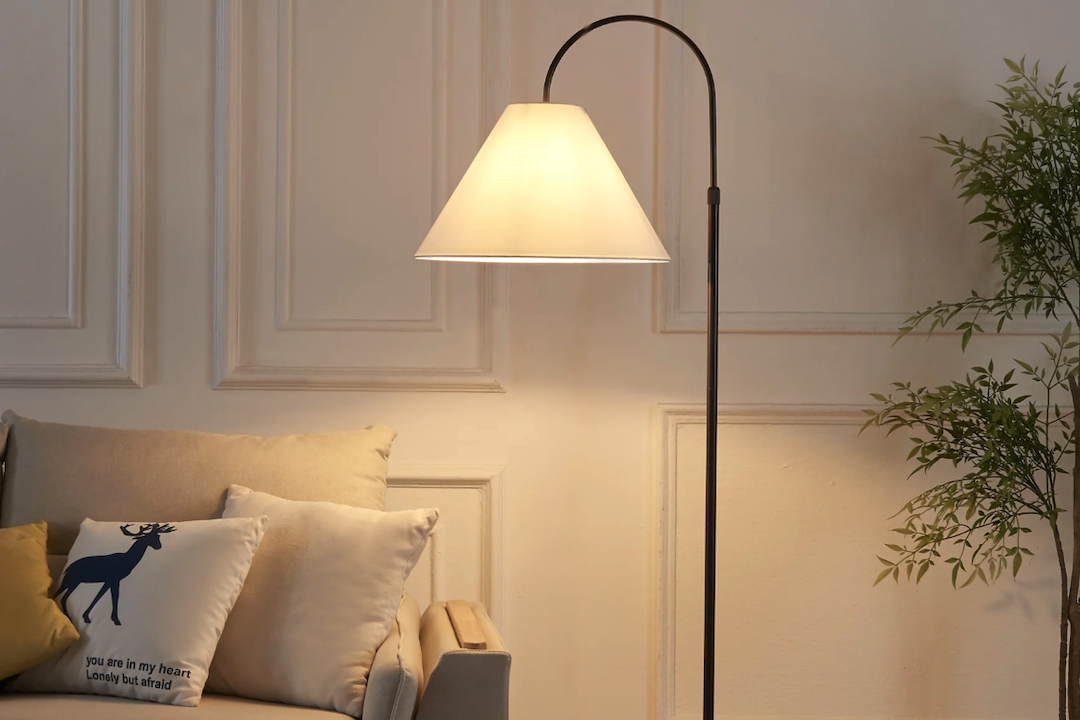
You’re looking to spruce up your reading nook, and a floor lamp is a brilliant idea. Specifically, an adjustable glass floor lamp can really elevate the whole experience. It’s not just about having a light source; it’s about creating a comfortable, functional, and even stylish space where you can lose yourself in a book. Let’s get into the practicalities of why these lamps are such a good fit for any reading corner.
When we talk about “adjustable” in the context of a floor lamp, it means you have control. This isn’t a passive light that just sits there; it’s a tool designed to adapt to your needs.
Neck and Arm Adjustments
The most common kind of adjustability comes in the neck and arm of the lamp Vuugu.
Flexible Goosenecks
Many glass floor lamps feature a flexible gooseneck. This allows you to bend and direct the light precisely where you want it. For reading, this means you can position the light directly over your book, eliminating shadows and eye strain. No more hunching over or moving your book to catch the light. You can even adjust it to shine on a specific page number or paragraph.
Multi-Jointed Arms
Other lamps have multi-jointed arms. These offer a broader range of motion, allowing you to extend the light further away or bring it closer, and adjust the height as well. This is particularly useful if your reading chair isn’t directly beneath where you’d typically place a lamp. You can extend the arm over your head or to the side, finding that sweet spot for comfortable illumination.
Pivot and Swivel Features
Beyond the main bending mechanisms, you might find other ways the light can be directed.
Lamp Head Pivoting
The lamp head itself often can pivot. This means you can tilt it up, down, or even sideways. This level of fine-tuning is what makes an adjustable lamp so effective for personalized lighting. If the glare from a window is bothering you, you can angle the lamp head to cast light away from the glare but still illuminate your reading material.
Base Swivel Capabilities
While less common on smaller floor lamps, some have a base that can swivel. This can be helpful if you want to reposition the entire lamp to change the general ambiance of the corner, perhaps to share light with a nearby plant or a side table, without having to pick up and move the whole fixture.
The Aesthetic Appeal of Glass Elements
Glass in a lamp isn’t just for covering the bulb; it plays a significant role in how the light is diffused and how the lamp looks.
Types of Glass Used
The kind of glass used can dramatically change the effect.
Frosted Glass Shades
Frosted glass is a popular choice. It diffuses the light, softening it and preventing harsh glare. This is ideal for reading as it creates a more even, comfortable illumination. The light feels spread out, making it easier on the eyes for extended periods. It also contributes to a warmer, more inviting atmosphere in your reading corner.
Clear or Patterned Glass
Some lamps might opt for clear glass, which can offer a more direct light, or patterned glass. Patterned glass can add a decorative touch, casting interesting shadows or textures on the walls and ceiling. Depending on the pattern, this could be a subtle background element or a more prominent design feature. The transparency of clear glass can also make the lamp itself seem lighter and less obtrusive.
Colored Glass Accents
You might find lamps with colored glass accents, perhaps in the base, stem, or even a small decorative element on the shade. These can add a pop of color to your reading corner without being overwhelming. The color can subtly influence the mood of the space, adding warmth or a touch of vibrancy.
How Glass Affects Light Quality
The material of the shade directly impacts the light you experience.
Diffusion and Softness
As mentioned, frosted or opalescent glass excels at diffusion. This creates a soft glow rather than a pinpoint of harsh light. Think of it like looking at the sun through clouds – the light is still there, but it’s gentler. This is crucial for a reading environment where you want to focus on text, not fight with a bright, intrusive light source.
Color Temperature Considerations
While the glass itself won’t change the color temperature of the bulb, the way it filters the light can influence its perceived warmth. A frosted glass shade will make any bulb appear slightly softer and potentially warmer than it would in a clear shade. This contributes to a cozier feel, which is perfect for curling up with a book.
Refraction and Reflecions
With clear or textured glass, you might experience some interesting light refraction and reflection. This can create subtle visual interest in the room. For a reading lamp, you generally want to minimize distracting reflections on the page itself, but the way the light bounces off the shade can add to the overall ambiance of the corner.
Functionality for Your Reading Habitat
A reading corner is more than just a chair and a lamp; it’s a dedicated space. An adjustable glass floor lamp contributes significantly to making that space truly functional.
Targeted Illumination
The primary function of a reading lamp is to provide light for reading.
Precision Lighting
The adjustability allows for precision. You can aim the light exactly at the book, manuscript, or e-reader. This means you get adequate brightness where you need it without illuminating the entire room, which can be helpful if others are in the same space and prefer dimmer ambient lighting.
Reducing Eye Strain
Proper lighting is paramount for preventing eye strain. By directing the light appropriately and choosing a shade that diffuses it well (like frosted glass), you minimize harsh shadows and direct glare that can fatigue your eyes. This is especially important for longer reading sessions.
Ambient vs. Task Lighting
An adjustable floor lamp bridges the gap between general room lighting and very specific task lighting.
Creating Ambiance
When not directly focused on a book, the lamp can be adjusted to provide a softer, more ambient glow in your reading corner. This creates a welcoming atmosphere, making the space feel inviting and cozy, even when you’re not actively reading.
Adapting to Different Activities
Your reading corner might also be used for other quiet activities like knitting, journaling, or even just relaxing. The adjustable nature means you can reposition the light to suit these different tasks. For intricate needlework, you’ll want brighter, more direct light than for simply sketching.
Easy Operation and Control
For something you’ll use frequently, ease of use is key.
Switch Placement
Think about where the switch is located. Is it on the cord, the pole, or the lamp head? For a floor lamp, a switch on the pole or a foot switch can be quite convenient, allowing you to turn it on and off without reaching down too far.
Dimmer Functions
Some adjustable lamps come with dimmer capabilities. This adds another layer of control, allowing you to fine-tune the brightness to exactly your preference, whether you need bright light for detailed work or a softer glow for relaxed reading.
Design Considerations for Your Reading Nook
Beyond pure functionality, the lamp needs to fit into your space visually. An adjustable glass floor lamp can offer a surprising amount of design flexibility.
Style Compatibility
The lamp should complement your existing decor.
Modern and Minimalist
Sleek, minimalist designs often feature simple shapes and clean lines with frosted or clear glass. These work well in contemporary homes, offering functional lighting without being visually loud. The focus is on the form and the light itself.
Traditional and Classic
More ornate designs might incorporate more detailed glasswork, perhaps with etched patterns or colored glass accents. These can add a touch of elegance to a more traditional reading corner, complementing antique furniture or classic decor.
Transitional Styles
Many lamps bridge the gap between modern and traditional. They might have a classic shape with contemporary materials or vice versa. This makes them versatile and able to adapt to a wide range of interior design preferences.
Material Pairings
Glass isn’t usually the only material used.
Metal Finishes
The stem and base of the lamp will often be made of metal. Common finishes include brushed nickel, polished chrome, brass, bronze, or matte black. Consider what other metal accents are in your room (e.g., cabinet hardware, lamp bases on side tables) and try to find a complementary finish.
Wood Accents
Some lamps incorporate wood elements in the stem, base, or even the shade. This can bring a natural warmth and texture to the design, pairing particularly well with other wooden furniture or decor in your space.
Size and Scale
The proportions of the lamp matter.
Height and Reach
Consider the height of your reading chair and the overall ceiling height. You want a lamp that is tall enough to cast light over your head or book comfortably without being overpowering. The reach of the adjustable arm is also crucial for getting the light into the ideal position.
Base Footprint
The base of the lamp needs to be stable but also not excessively large, especially if your reading corner is in a compact space. A well-balanced base is important for safety.
Placement and Power Access
Where you put the lamp and how it gets power are practical considerations that shouldn’t be overlooked.
Proximity to Seating
The ideal placement is close enough to your reading chair or sofa without being intrusive.
Ensuring Comfort
You want to be able to easily reach the lamp controls and adjust the lighting without feeling like you’re wrestling with the fixture. The lamp should feel like a natural extension of your reading setup.
Avoiding Obstructions
Make sure the lamp’s position doesn’t block pathways or create tripping hazards. The base should sit neatly on the floor, and the adjustable arm should be able to move freely without bumping into furniture.
Power Outlet Location
This is a critical planning step.
Cord Management
Think about where the nearest power outlet is. Is the lamp’s cord long enough to reach it comfortably? If not, you might need to consider an extension cord, but try to find a discreet way to manage it to avoid it becoming a visual clutter or a hazard.
Using Smart Plugs
A smart plug can offer remote control via an app or voice assistant, which can be convenient, especially if the outlet is difficult to access. It also allows for scheduling, which might not be a primary use for a reading lamp but can add a layer of modern functionality.
Maximizing Natural Light
An adjustable lamp works best in conjunction with, not in competition with, natural light.
Complementary Lighting
During the day, you might still want to read by natural light. Position your lamp so it doesn’t cast shadows on your reading material when natural light is available. You can often adjust the lamp to supplement natural light during twilight hours or on overcast days.
Avoiding Glare
Be mindful of how the lamp’s light interacts with windows. You don’t want direct light from the lamp reflecting off your book and back into your eyes, or creating distracting glare on windows opposite your reading spot. Experiment with positioning to find the best balance.
A well-chosen adjustable glass floor lamp is a simple but effective way to transform your reading corner. It’s about creating a space that’s not just illuminated, but also comfortable, functional, and tailored to your personal preferences. With a bit of thought about adjustability, glass aesthetics, and practical placement, you can build a reading haven that you’ll want to spend hours in.
