
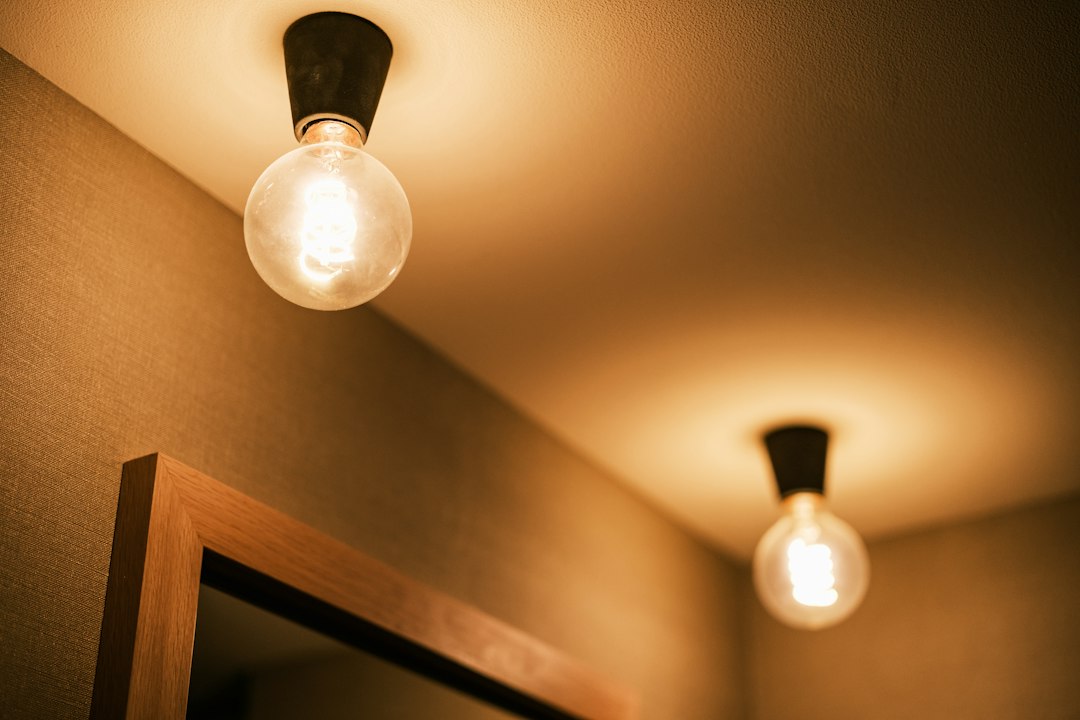
Considering a new bathroom ceiling light? You’re likely wondering about the cost. Generally, you can expect to pay anywhere from $20 for a basic, functional fixture to over $500 for a high-end, feature-rich model. The price tag depends heavily on factors like material, style, features (like integrated LED or dimming), and brand. But don’t worry, there are plenty of affordable, stylish, and practical options available, regardless of your budget. This guide will walk you through what impacts the price, help you set a realistic budget, and highlight some excellent value choices.
Understanding What Drives Bathroom Light Pricing
When you start browsing for bathroom ceiling lights, you’ll quickly notice a wide range of prices. It’s not just random; several key elements contribute to how much a fixture costs. Knowing these factors will help you understand why some lights are significantly more expensive than others and guide your budget decisions.
Fixture Type and Style
The fundamental design and how the light is mounted play a big role. A simple flush mount or a basic recessed light will almost always be more affordable than a chandelier or a more elaborate semi-flush design.
Flush Mounts and Recessed Lighting
These are often the most budget-friendly options. Flush mounts sit directly against the ceiling, offering good general illumination without a lot of visual fuss. Recessed lights, on the other hand, are installed inside the ceiling, providing a clean, minimalist look. Their simplicity in design and manufacturing keeps costs down. You can find perfectly functional and aesthetically pleasing models in this category for under $50, with many popular choices falling in the $20-$100 range.
Semi-Flush Mounts and Pendant Lights
These fixtures hang slightly below the ceiling, adding more decorative flair. The added hardware, more intricate designs, and often larger size contribute to a higher price point. While you can find some basic semi-flush options starting around $40-$60, most will fall into the $80-$250 range. Pendant lights, particularly those designed specifically for bathrooms (which often means a higher IP rating for moisture resistance), can be even more, sometimes reaching $300-$400 for a single elaborate fixture.
Chandeliers and Specialty Lighting
While less common in typical bathrooms, larger master bathrooms or those with high ceilings might incorporate smaller chandeliers or more specialized decorative lights. These are almost always at the higher end of the spectrum, starting from $150 and easily climbing past $500, due to their complex construction, multiple light sources, and often premium materials.
Materials and Finish Quality
The materials used in a light fixture directly impact its durability, appearance, and cost. Cheaper lights might use plastic or stamped metal, while higher-end models feature solid brass, stainless steel, or hand-blown glass.
Budget-Friendly Materials
For lights under $50, you’ll commonly find fixtures made from brushed nickel-plated steel, chrome-plated plastic, or aluminum. The diffusers are often acrylic or frosted glass. These materials are perfectly functional and can look quite good, but they might not have the same heft or longevity as more premium options. The finishes might also show wear more quickly over time.
Mid-Range Materials
Moving into the $50-$200 range, you’ll start seeing better quality metals like genuine brushed nickel, oil-rubbed bronze, or matte black finishes that are more robust. Glass shades are more common here, often thicker or with more intricate patterns. These materials offer a good balance of durability and aesthetic appeal.
Premium Materials
For fixtures exceeding $200, expect materials like solid brass, high-grade stainless steel, artisan-blown glass, or crystal accents. These materials are chosen for their superior durability, luxurious appearance, and often require more skilled craftsmanship, all contributing to the higher price tag.
Integrated LED vs. Replaceable Bulbs
This is a significant factor in modern lighting. Integrated LED fixtures have the light source built directly into the unit, while traditional fixtures use standard sockets for replaceable bulbs.
Integrated LED (LED Modules)
Many newer bathroom lights, especially recessed and flush mount types, feature integrated LED technology. While the initial cost of an integrated LED fixture might be slightly higher than a comparable traditional one (e.g., $30-$150 for integrated vs. $20-$80 for a traditional fixture), they offer long-term savings. The LED modules are designed to last tens of thousands of hours, meaning you won’t need to replace bulbs for many years. They are also highly energy-efficient, lowering your electricity bills. However, if an integrated LED module fails, you typically need to replace the entire fixture, not just a bulb.
Replaceable Bulbs (Edison Base, GU10, etc.)
Fixtures that use replaceable bulbs offer flexibility. You can choose the bulb’s color temperature (warm white, cool white) and brightness (lumens) to suit your preference. While the fixture itself might be cheaper, you’ll need to factor in the cost of bulbs, which can add $5-$20 per bulb. Over time, you’ll also incur costs for replacements. Many people still prefer this option for the ease of changing light appearance or simply replacing a single bulb rather than a whole unit.
Features and Smart Technology
Beyond basic illumination, many modern bathroom lights offer additional features that can enhance convenience and functionality, but they also increase the price.
Dimming Capabilities
The ability to dim your bathroom lights is a highly desired feature, allowing you to adjust the ambiance. Many integrated LED fixtures are dimmable, but you’ll need a compatible dimmer switch (an additional cost of $20-$50). Some non-LED fixtures are also dimmable, provided you use dimmable bulbs. Fixtures explicitly marketed as “dimmable” might have a slightly higher base price due to the integrated dimming drivers or higher quality components.
Color Temperature Adjustment (Tunable White)
Some advanced integrated LED lights allow you to adjust the color temperature from warm white to cool white, perfect for setting different moods throughout the day. These “tunable white” fixtures are generally in the $80-$300 range, reflecting the more complex internal electronics.
Smart Features
True “smart” bathroom lights can connect to Wi-Fi or Bluetooth, allowing control via smartphone apps, voice assistants (like Alexa or Google Assistant), or smart home systems. These often include dimming, color temperature adjustment, and even RGB color options. Expect these to be at the higher end, typically starting around $150 and going up to $400 or more, depending on the brand and feature set.
Integrated Speakers or Fans
While less common for ceiling lights themselves, some all-in-one units might combine a light with a Bluetooth speaker or even an exhaust fan. These specialized units naturally carry a premium price tag, often starting around $100 and reaching upwards of $300-$500 for high-performance models.
Brand and Warranty
Established lighting brands often command higher prices due to their reputation for quality, design, and customer service. A brand like Kichler, Hinkley, or Progress Lighting might cost more than a generic fixture from a big-box store.
Reputable Brands
These brands typically offer better warranties (e.g., 3-5 years on integrated LEDs) and are more likely to use higher-quality components. You’re also paying for their design expertise and rigorous testing. Expect a premium of 20-50% or more for a branded fixture compared to a similar unbranded one.
Generic or Store Brands
Many affordable options come from generic manufacturers or store brands. While they can offer excellent value, the warranty might be shorter (e.g., 1-2 years), and the long-term durability might not be as proven. However, for many basic applications, these are perfectly adequate and save you money.
Setting Your Bathroom Light Budget
Before you even start looking at fixtures, having a clear budget in mind will save you time and prevent overspending. Your budget should account for more than just the light fixture itself.
The $50 and Under Budget: Functional and Practical
If you’re on a tight budget, don’t despair! There are plenty of excellent, functional, and even stylish options available for under $50. This price point is ideal for small bathrooms, powder rooms, or rental properties where you need a basic, reliable light source.
What to Expect
You’ll primarily find basic flush mount fixtures, simple recessed lights (especially multi-packs), and straightforward LED panel lights. Materials will often be acrylic diffusers with brushed nickel, chrome, or white-painted metal bases. Many will feature integrated LEDs, offering good energy efficiency and longevity without breaking the bank. Don’t expect fancy features like advanced dimming or smart capabilities, but you will get reliable illumination.
Where to Find Them
Big-box home improvement stores (Home Depot, Lowe’s), online retailers (Amazon, Wayfair’s budget sections), and discount lighting stores are your best bet. Look for store brands or lesser-known manufacturers. Pay attention to reviews regarding ease of installation and light output.
Example Scenario
You need a basic, bright light for a guest bathroom. A 12-inch round or square integrated LED flush mount in white or brushed nickel can be found for $25-$45. It will provide ample light, look clean, and last for years.
The $50-$150 Budget: Value and Style
This is where the sweet spot for many homeowners lies. In this range, you can find a fantastic balance of style, improved material quality, and some desirable features without blowing your budget. This budget is suitable for most primary bathrooms, mid-sized spaces, or when you want to upgrade from basic builder-grade fixtures.
What to Expect
You’ll see a broader selection of semi-flush mounts, more decorative flush mounts, and better-quality recessed lighting. Materials improve to genuine brushed nickel, oil-rubbed bronze, or matte black finishes, often paired with glass diffusers. Many fixtures will have integrated dimmable LEDs or accept standard dimmable bulbs. You might also start seeing some designs from more recognized brands at their entry-level price points.
Where to Find Them
In addition to big-box stores, specialty lighting retailers (online and brick-and-mortar) will offer a wider selection. Don’t forget to check sales events from reputable online stores.
Example Scenario
You’re renovating your main bathroom and want something that looks a bit more refined than a basic flush mount. A semi-flush fixture with an interesting glass shade and an oil-rubbed bronze finish might cost $80-$120. It adds character and provides good light. Alternatively, a set of four good-quality dimmable LED recessed lights could also fit into this budget.
The $150-$300 Budget: Enhanced Features and Design
Moving into this range opens up a lot of possibilities for more distinctive designs, higher-quality construction, and advanced features. This budget is great for master bathrooms, when you want a statement piece, or if you prioritize specific functionalities like advanced dimming or tunable white LEDs.
What to Expect
Expect more unique designs, often incorporating multiple light sources, larger sizes, and premium finishes. You’ll frequently find integrated LED fixtures with tunable white technology, advanced dimming drivers, and potentially even some basic smart features. Materials will be more substantial, with heavier gauge metals and higher-quality glass or crystal elements. Branded fixtures with better warranties become more accessible.
Where to Find Them
Specialty lighting showrooms, higher-end sections of online retailers, and direct from reputable brand websites are good places to look. This is also where you might find more contemporary or architectural designs.
Example Scenario
You want a statement light for your master bathroom that offers versatility. An integrated LED fixture with tunable white technology and a sleek, contemporary design could fall into the $180-$250 range. This allows you to switch from bright, cool light for morning routines to a warm, soft glow for relaxing baths.
The $300+ Budget: Luxury and Smart Home Integration
At this price point, you’re looking at premium materials, artisan craftsmanship, top-tier brands, and advanced smart home integration. This budget is for those who prioritize design as a key element of their bathroom, desire cutting-edge technology, or are fitting out a luxury space.
What to Expect
High-end design from renowned lighting designers, exquisite materials like solid brass or hand-blown art glass, and multi-light configurations are common. Smart lighting systems with full RGB color options, advanced scheduling, and seamless integration with home automation platforms are typical. You’ll also find specialized task lighting or architectural fixtures designed for specific effects.
Where to Find Them
High-end lighting showrooms, designer boutiques, and direct from luxury lighting brands are the primary sources. Custom lighting options may also start in this price bracket.
Example Scenario
For a high-end master bathroom, you might select a sophisticated multi-light pendant or a designer semi-flush mount with integrated smart technology. This could allow you to set specific lighting scenes (e.g., “Spa Mode,” “Morning Bright”) and control them via voice commands or a smartphone app, easily costing $350-$700 or more.
Additional Costs Beyond the Fixture
It’s easy to focus solely on the light fixture’s price, but there are often other expenses involved. Ignoring these can lead to budget overruns. Always factor these in when planning your project.
Professional Installation
Unless you’re comfortable and skilled with electrical work, you’ll need to hire an electrician. This is often the largest additional cost, especially if new wiring or a new junction box is required.
Simple Fixture Replacement
If you’re simply swapping out an existing light fixture for a new one in the same spot, and no new wiring is needed, the labor cost will be relatively low. Expect to pay an electrician $75-$150 per hour, and a straightforward replacement might take 30-60 minutes. So, $75-$150 is a reasonable estimate for a simple swap.
New Installation or Relocation
If you’re adding a light where there wasn’t one before, relocating a fixture, or needing new wiring run, the cost goes up significantly. This involves running new cable, potentially cutting into drywall, and installing a new electrical box. This could easily take 2-4 hours or more, bringing the cost to $150-$600, possibly more if patching and painting are also required. Always get multiple quotes from licensed electricians.
Light Bulbs (If Not Integrated LED)
If your chosen fixture doesn’t have integrated LEDs, you’ll need to purchase bulbs. While seemingly minor, this cost adds up, especially if you need several or specific types.
Standard LED Bulbs
For most fixtures, you’ll likely choose LED bulbs for their energy efficiency and longevity. A good quality LED bulb can cost $5-$10 each. If your fixture requires three bulbs, that’s an extra $15-$30. Consider the desired color temperature (e.g., 2700K for warm white, 4000K for neutral white) and brightness (lumens).
Specialty Bulbs
Some fixtures require specialty bulbs like candelabra bases, GU10 spotlights, or decorative Edison-style bulbs. These can be slightly more expensive, ranging from $8-$15 per bulb. Always check the fixture’s specifications for the correct bulb type and maximum wattage.
Dimmer Switches
If you want the ability to dim your lights, you’ll need a compatible dimmer switch. These are usually not included with the light fixture.
Standard Dimmer Switches
Basic dimmer switches for incandescent or CFL bulbs can be found for $15-$30. However, for LED bulbs, you’ll need an LED-compatible dimmer, which might cost slightly more, typically $25-$50. Make sure the dimmer you choose is compatible with the specific LED bulbs or integrated LED fixture you’re using to avoid flickering or poor performance.
Smart Dimmers
If you’re aiming for smart home integration, you might opt for a smart dimmer switch that connects to Wi-Fi or Bluetooth. These can range from $40-$100 or more, but they offer advanced control via apps or voice assistants.
Patching and Painting
If the new fixture has a different footprint than the old one, or if the electrician had to cut into the ceiling for new wiring, you might have exposed patches or unpainted areas.
DIY Patching
If you’re handy, you can probably do small drywall patches and touch-up painting yourself, which will only cost you the price of materials (spackle, sandpaper, paint) – perhaps $20-$50.
Professional Finishing
If you’re not comfortable with this, or if the repairs are extensive, you’ll need to hire a handyman or painter. This could add $100-$300 or more, depending on the scope of work.
Affordable Options Reviewed and Recommended
Finding a great bathroom ceiling light doesn’t mean emptying your wallet. There are numerous manufacturers and styles that prioritize value without sacrificing too much on aesthetics or functionality. Here are some categories and examples of where to find great deals.
Integrated LED Flush Mounts
These are often the most cost-effective and practical choice for many bathrooms. They sit close to the ceiling, offer even illumination, and their LED technology provides long-term energy savings.
The Appeal of Integrated LEDs
You avoid bulb replacements entirely, and these fixtures are usually very thin, making them ideal for lower ceilings. Most also offer bright, clear light suitable for tasks like shaving or applying makeup.
Brands and Models to Look For
- Commercial Electric (Home Depot Brand): Often has very affordable 12-inch or 14-inch round or square LED flush mounts for $20-$40. Look for models with 4000K (neutral white) color temperature for good task lighting.
- Lithonia Lighting / Cooper Lighting Solutions: Offers a range of basic, reliable LED flush mounts and utility lights, often found at home centers for $30-$60. Their designs are usually simple but durable.
- Hyperikon / Sunco Lighting: Popular online brands for highly rated LED recessed lights and panel lights. You can often buy multi-packs of 4-inch or 6-inch recessed LED lights for $50-$100, bringing the per-unit cost down significantly. These are great for evenly lighting a larger bathroom or creating a modern look.
Basic Semi-Flush Mounts
If you want a little more style than a flush mount without jumping to high-end prices, basic semi-flush options are a great compromise.
A Touch More Style
These fixtures hang a few inches below the ceiling, allowing for more decorative elements like glass bowls or cage designs. They can add a visual interest that a flush mount simply can’t.
Where to Find Good Deals
- Portfolio (Lowe’s Brand): Offers a variety of attractive semi-flush mounts, often with brushed nickel or oil-rubbed bronze finishes and frosted glass shades, typically priced between $40-$80.
- Hampton Bay (Home Depot Brand): Similar to Portfolio, Hampton Bay has many budget-friendly semi-flush options that mimic more expensive designs. You can often find stylish fixtures for $50-$90.
- Amazon Basics / Z-Lite (Entry-Level): While Z-Lite is a broader lighting brand, their more basic semi-flush designs can be found online for under $100. Amazon Basics also occasionally offers simple, well-designed fixtures.
Value-Oriented Recessed Lighting Kits
Recessed lighting is excellent for a clean, modern aesthetic. While individual high-end units can be pricey, value-oriented kits or multi-packs bring the cost down significantly.
The Modern, Clean Look
Recessed lights virtually disappear into the ceiling, making a bathroom feel more spacious and uncluttered. They’re also great for layering light with other fixtures.
Finding the Best Bang for Your Buck
- Multi-Packs: This is key. Buying a 4-pack or 6-pack of 4-inch or 6-inch LED recessed lights will almost always be cheaper per unit than buying them individually. Brands like Globe Electric, Commercial Electric, Hyperikon, and Sunco Lighting excel here, with kits often running $50-$150 for several lights.
- Retrofit Kits: If you already have existing recessed cans that use old incandescent bulbs, you can buy LED “retrofit” kits that simply screw into the old socket and clip into the can. These are incredibly affordable, often $10-$20 per unit, and are a quick, energy-efficient upgrade.
Basic Vanity Bar Lights (If Using as Primary)
While typically for above mirrors, a well-chosen vanity bar light can sometimes serve as the primary overhead light in a very small bathroom or powder room, offering both illumination and a decorative touch.
Dual Purpose Lighting
In compact spaces, a single, bright vanity light can sometimes pull double duty, illuminating both the mirror area and providing general ambient light. This can save you from buying two separate fixtures.
Economical Choices
- Virtually any major home improvement store brand: Brands like Glacier Bay (Home Depot) or Project Source (Lowe’s) offer very basic, clean-lined vanity bar lights with 2-4 bulbs for $30-$70. Look for models with frosted glass shades for diffused, even light.
- Online Retailers (e.g., Wayfair, Overstock): Filter by price and material. You can find many generic but well-designed multi-light bars in brushed nickel or chrome for under $80.
Maintenance and Longevity: Long-Term Savings
The initial purchase price is just one piece of the puzzle. Considering maintenance and longevity can reveal significant long-term savings, especially with bathroom lighting where humidity can impact fixture lifespan.
The Value of Integrated LED Lifespan
Integrated LED fixtures, while potentially having a slightly higher upfront cost, offer substantial savings over their lifetime.
Decades of Light
Most integrated LED modules are rated for 25,000 to 50,000 hours of operation. If your bathroom light is on for an average of 3 hours a day, a 25,000-hour LED fixture will last over 22 years! This means no bulb purchases or climbing on a ladder for a very long time. This convenience and cost saving on bulbs can easily offset a higher initial price.
Energy Efficiency
LEDs consume significantly less electricity than traditional incandescent or even CFL bulbs. This translates directly to lower utility bills every month, contributing to long-term savings. For instance, replacing a 60-watt incandescent bulb with a 9-watt LED can save you around $5-$10 per year per bulb in electricity costs, depending on usage and local rates. Over the lifespan of a fixture with multiple bulbs, this adds up quickly.
IP Rating and Bathroom Suitability
Bathrooms are wet environments, and not all light fixtures are suitable. The Ingress Protection (IP) rating indicates a fixture’s resistance to dust and moisture. Choosing the correct rating ensures longevity and safety.
What IP Ratings Mean for Bathrooms
- IP44 (or higher): This is generally considered the minimum for general bathroom areas (Zone 2, away from direct spray but still subject to humidity and splashes). Fixtures rated IP44 are protected against solid objects greater than 1mm and against splashing water from any direction. Many ceiling lights are suitable with this rating.
- IP65/IP67 (or higher): For areas directly exposed to water, like inside a shower stall or immediately above a tub (Zone 1 and 0), you’ll need higher IP ratings to ensure safety and prevent premature failure due to water ingress. These are typically specialized recessed lights or vapor-proof fixtures.
Impact on Longevity
A fixture with an inadequate IP rating installed in a high-moisture area will corrode, short out, or fail much faster than one designed for the environment. Investing a little more in a properly rated fixture will prevent headaches and the cost of early replacement down the line. Check product specifications carefully for suitable IP ratings.
Ease of Cleaning and Material Durability
Consider how easy the fixture will be to clean and how its materials will hold up over time in a humid environment.
Simple Designs for Easy Cleaning
Fixtures with simple, smooth surfaces and minimal crevices are easier to wipe down, preventing the buildup of dust and moisture-related grime. Intricate designs, while beautiful, can be a pain to maintain. This saves you time and effort over the years.
Rust and Corrosion Resistance
Chrome, brushed nickel, and stainless steel finishes are generally good choices for bathrooms due to their resistance to rust. Oil-rubbed bronze can also be durable but requires specific cleaning care. Cheaper plated metals or painted surfaces may chip or corrode more quickly in a constantly humid environment, leading to a dull or unsightly appearance and requiring earlier replacement. Investing in better materials initially contributes to the fixture looking good for longer, thus extending its perceived and actual useful life.
By considering these long-term factors alongside the initial purchase price, you can make a more informed decision that truly aligns with your budget and practical needs.
