
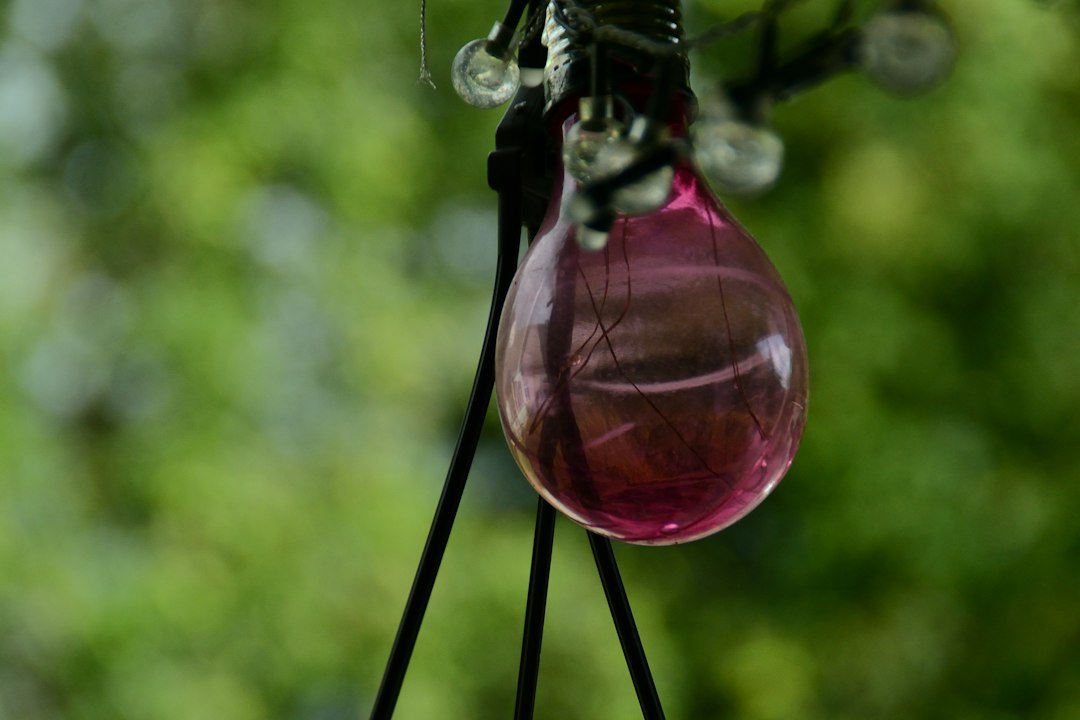
Handblown glass outdoor lanterns definitely can be a fantastic choice for adding a touch of modern minimalist elegance to your outdoor space, but it’s not a one-size-fits-all answer. They offer unique aesthetic appeal and a quality of light that mass-produced options often can’t match, thanks to the artisanal touch and the specific properties of glass. However, you’ll need to consider factors like durability, maintenance, and the type of light they emit to see if they’re the right fit for your particular needs and environment.
The Allure of Handblown Glass for Outdoors
When you hear “handblown glass,” it probably conjures images of delicate, indoor art pieces. But when crafted specifically for outdoor use, these lanterns bring a truly distinct character. The inherent beauty lies in the imperfections and individuality; no two pieces are exactly alike. This isn’t a flaw but a feature, adding a layer of authenticity that machine-made alternatives simply lack.
Unique Aesthetic and Craftsmanship
The beauty of handblown glass is in its story. Each lantern carries the subtle marks of the artisan – a tiny swirl, a slight variation in thickness, a unique bubble pattern. These aren’t defects; they’re signatures. This craftsmanship translates into an outdoor fixture that feels less like a manufactured product and more like a piece of art. For a modern minimalist aesthetic, this means a clean form is elevated by the inherent texture and depth of the material itself, without needing excessive ornamentation. The simple, elegant shapes often chosen for these lanterns allow the glass itself to be the star, showcasing its clarity, subtle color variations, or intriguing textures.
Light Quality and Diffusion
One of the most compelling reasons to choose handblown glass is the way it interacts with light. Unlike plastic or common factory-made glass, the handblown variety often has a subtle character that diffuses light in a unique, softer way. Depending on the glass type – clear, frosted, seeded, or subtly colored – the light emitted can be beautifully modulated. Clear handblown glass will still provide crisp light but with a less harsh edge than machine-rolled glass. Frosted or seeded options will create a gentle, ambient glow, perfect for creating a relaxing atmosphere without glare. This nuanced light quality is crucial for minimalist design, where the interplay of light and shadow is paramount and often replaces busy decorative elements. The subtle variations in the glass can even create interesting refractions and patterns on nearby surfaces, adding dynamic interest to your outdoor space.
Durability Considerations for Outdoor Use
It’s natural to question the durability of glass outdoors, especially when it’s handblown. The good news is that modern handblown outdoor lanterns are designed with resilience in mind. They often utilize borosilicate glass, known for its thermal shock resistance and strength, or tempered glass which shatters into small, less dangerous pieces if broken. The thickness of the glass is also a key factor. While a truly delicate thin-walled piece might be risky, outdoor versions are typically crafted with sufficient wall thickness to withstand minor impacts and weather.
It’s also important to consider where the lantern will be placed. Sheltered patios or covered porches offer more protection than exposed areas. While not indestructible, a well-made handblown glass lantern, properly installed and cared for, can last for many years, enduring various weather conditions without losing its charm. The framing and mounting hardware are equally important, often made from marine-grade stainless steel or powder-coated aluminum to prevent corrosion and ensure stability.
Designing with Modern Minimalist Elegance
The “modern minimalist” aesthetic is all about intentionality, clean lines, and a focus on essential elements. Handblown glass outdoor lanterns fit this bill perfectly, offering beauty without clutter.
Embracing Clean Lines and Simple Forms
Minimalist design thrives on simplicity. Handblown glass lanterns often feature unadorned, sculptural shapes that allow the material to speak for itself. Think spheres, cylinders, elongated ovals, or elegant geometric forms. These shapes don’t compete with the surrounding landscape or architectural elements; instead, they complement them, providing sophisticated illumination that integrates seamlessly. The lack of excessive filigree or ornamentation is key here. The beauty comes from the pure form and the inherent qualities of the glass itself. This simplicity ensures that the lanterns act as subtle enhancements rather than dominant features, maintaining the tranquil and uncluttered feel characteristic of modern minimalist spaces.
Integrating with Outdoor Architecture
For these lanterns to truly elevate a space, they need to feel like an extension of the architecture. Consider the lines of your home, patio, or deck. A sleek, cylindrical lantern might mirror the vertical lines of modern cladding, while a spherical one could soften sharp architectural angles. The goal is visual harmony. Mounting options are also critical: flush mounts for a seamless look, subtle wall sconces that blend into the facade, or suspended pendants that echo the ceiling structure. The hardware, often in brushed metals like stainless steel or matte black, should also align with the existing architectural palette to maintain a cohesive aesthetic.
Curated Placement for Impact
In minimalist design, every element has a purpose, and placement is crucial. Instead of scattering lanterns indiscriminately, think about how each one contributes to the overall ambiance and functionality. A single, well-placed handblown lantern can create a powerful focal point, highlighting an architectural feature or a piece of outdoor art. Grouping two or three lanterns of varying sizes but identical styles can create a sculptural statement without feeling busy.
Consider where light is most needed: along a pathway, over a dining area, or to softly illuminate a seating arrangement. The light from handblown glass is often ambient rather than task-oriented, so use it to define zones and create mood. Avoid over-lighting; the aim is to create inviting pools of light and intriguing shadows, not to banish darkness entirely. Each lantern should feel like a deliberate choice, enhancing the space without overwhelming it.
Practical Considerations for Installation and Maintenance
While undeniably beautiful, handblown glass outdoor lanterns do come with specific practical considerations that are important to understand before committing.
Wiring and Power Sources
Most handblown glass outdoor lanterns are designed to be hardwired, requiring a qualified electrician for installation. This ensures a safe, secure, and permanent power connection. They are typically line voltage (120V or 240V, depending on your region), meaning they connect directly to your home’s electrical system. Some designs might offer low-voltage options, especially for path lighting or areas where running main voltage is difficult. Always confirm the power requirements and consult with an electrician to ensure your outdoor wiring is up to code and capable of supporting the fixtures.
Solar-powered handblown glass lanterns are far less common for high-end, architectural applications because achieving sufficient brightness and consistent performance with a beautiful, custom glass form is challenging. While some decorative, smaller solar versions exist, they often compromise on light output and durability compared to hardwired options. For true modern minimalist elegance and reliable illumination, hardwired is generally the way to go.
Weatherproofing and IP Ratings
When selecting an outdoor lantern, its Ingress Protection (IP) rating is paramount. This two-digit code indicates its resistance to solids (dust) and liquids (water). For outdoor use, you’ll generally want a minimum of IP44, which protects against solid objects over 1mm and water splashing from any direction. For more exposed locations, such as un-covered patios or fences, an IP65 or IP66 rating offers even greater protection against dust and jetting water.
Manufacturers of quality handblown outdoor lanterns understand these requirements and build their fixtures with appropriate seals and robust materials to meet these standards. Always check the IP rating of any fixture you consider to ensure it’s suitable for your specific climate and desired placement. A higher IP rating means better longevity and performance in challenging weather conditions.
Cleaning and Upkeep
Maintaining the pristine appearance of handblown glass outdoors is relatively straightforward but requires consistency. Dust, pollen, and water spots are inevitable. A regular cleaning schedule, perhaps monthly or quarterly depending on your environment, will keep them sparkling.
For most handblown glass, a gentle wipe with a soft, damp cloth and mild soap solution (like dish soap) will suffice. Avoid harsh abrasive cleaners or scrub brushes, which can scratch the glass or damage any protective coatings. For stubborn water spots, a vinegar and water solution can be effective. Always dry the glass thoroughly with a clean, lint-free cloth to prevent streaks. For areas difficult to reach, a soft-bristled brush or even compressed air can help dislodge debris from crevices. Periodically, inspect the electrical connections and seals to ensure they remain intact and weatherproof.
Comparing Handblown Glass to Alternatives
Understanding how handblown glass stands up against other common outdoor lantern materials helps in making an informed decision.
Versus Mass-Produced Glass Lanterns
The most significant difference between handblown and mass-produced glass lanterns lies in character and quality. Mass-produced glass is typically molded or machine-blown, resulting in uniform, flawless (though often sterile) surfaces. They are generally less expensive and widely available. However, they lack the unique texture, subtle imperfections, and artisanal charm of handblown glass.
Handblown glass offers superior light diffusion due to its unique internal structure and variations in thickness. It also feels more substantial and “special.” While mass-produced glass serves a functional purpose, handblown glass elevates the fixture to an art piece, contributing significantly more to the overall aesthetic of a minimalist design. The durability can be comparable if both are made from tempered or borosilicate glass, but the handblown piece usually has a deeper, more refined look and feel.
Versus Metal and Acrylic Lanterns
Metal lanterns, often made from steel, aluminum, or copper, offer durability and a strong architectural presence. They can be powder-coated in various colors and finishes to match a minimalist aesthetic. Their main drawback is that they don’t allow light to pass through their opaque surfaces, meaning the light source is often visible or heavily directed. This can create a different lighting effect, often more focused or dramatic, but less ambient and diffuse than glass.
Acrylic (or polycarbonate) lanterns are an increasingly popular alternative due to their incredible durability, lightweight nature, and resistance to shattering. They can be molded into various shapes and sometimes mimic the appearance of glass. However, over time, acrylic can scratch more easily than glass and may yellow or become cloudy due with prolonged UV exposure, though advancements in UV inhibitors are mitigating this. While a practical choice, acrylic often lacks the inherent optical clarity, weight, and sophisticated feel of true glass, making it a less luxurious option for high-end minimalist designs.
Aesthetic and Durability Trade-offs
When choosing between these materials, it boils down to balancing aesthetic preference, desired light quality, and practical durability.
- Handblown Glass: Offers unparalleled aesthetic beauty, unique light diffusion, and a high-end feel. Durability is good with proper material (borosilicate/tempered) and care, but it is the most susceptible to catastrophic breakage from significant impact. It often represents a higher initial investment.
- Mass-Produced Glass: Good light quality, more affordable, uniform appearance. Durability varies but can be good. Lacks the artisanal character of handblown.
- Metal: Extremely durable, provides strong architectural lines. Opaque, so light is directed rather than diffused. Less about the light source itself and more about the fixture’s form.
- Acrylic: Highly durable, shatter-resistant, lightweight, and versatile in shape. Can lack the premium feel and clarity of glass, and may degrade aesthetically over a long period.
For a true modern minimalist aesthetic where material quality and light character are paramount, handblown glass often emerges as the superior choice, despite its higher initial cost and need for mindful handling.
Exploring Styles and Features
Even within the realm of handblown glass, there’s a surprising variety of styles and features that can further refine your minimalist outdoor space.
Glass Textures and Finishes
The surface of handblown glass isn’t just about transparency; it offers a rich palette of textures and finishes that profoundly impact light and aesthetics.
- Clear Glass: The most straightforward, providing maximum light output and showcasing the internal light source. For minimalism, this means clean, unobstructed light.
- Frosted or Opal Glass: Achieved by etching or adding opacifiers to the glass, this finish creates a soft, diffused glow. It obscures the bulb, making the light appear uniform and gentle, perfect for ambient lighting.
- Seeded Glass: Characterized by small, intentional air bubbles trapped within the glass. This creates a charming, organic texture that adds visual interest and unique light patterns without being overly decorative.
- Ribbed or Fluted Glass: Features subtle vertical or horizontal ridges, which can add a delicate texture and create interesting light refractions, adding a layer of subtle complexity to a simple form.
- Smoked or Tinted Glass: Incorporates a subtle color, often gray or bronze, which can warm or cool the light and add a sophisticated, understated tone to the fixture itself.
Each texture offers a different light quality and visual appeal, allowing you to fine-tune the ambiance of your outdoor setting.
Mounting Options and Configurations
How you mount your handblown glass lantern significantly impacts its visual presence and the way it illuminates your space.
- Wall Sconces: Flush-mounted or with a subtle arm, these are excellent for ambient light along walls, defining entryways, or highlighting architectural features. Their proximity to the wall often means the glass is the primary visible element, showcasing its form and light.
- Pendant Lights: Suspended from a ceiling or pergola, these are ideal for defining outdoor dining areas, seating zones, or creating a focal point. They can hang individually or in carefully arranged clusters, offering a vertical element to the design. The suspension hardware is usually minimal, often a thin cable or rod, to maintain the clean aesthetic.
- Post Lights: While less common for the purest handblown glass, some designs integrate the glass element onto a minimalist post for pathway lighting or area illumination. The glass element is usually the dominant feature atop a slender, unobtrusive post.
- Tabletop Lanterns: Smaller, portable versions can be placed on outdoor tables or ledges. These often house battery-powered or solar LED light sources, offering flexible, soft accent lighting.
- Integrated Lighting: Some custom outdoor structures or furniture might have handblown glass elements integrated directly into them, offering a truly seamless lighting solution.
For a minimalist look, the mounting hardware should be as inconspicuous as possible, often matching the lantern’s metal accents in a matte black, brushed stainless, or bronze finish.
Smart Lighting Integration
Even the most artisanal handblown glass lanterns can be paired with modern smart home technology for enhanced functionality and control. While the glass itself isn’t “smart,” the light bulb and the wiring system can be.
- Dimmable Bulbs: Using dimmable LED bulbs allows you to adjust the light intensity, transitioning from bright illumination to a soft, inviting glow. This is crucial for setting different moods in a minimalist space.
- Smart Bulbs: Replace standard bulbs with smart LEDs that connect to your home’s Wi-Fi. This allows control via a smartphone app, voice commands (e.g., Google Assistant, Amazon Alexa), or integration into larger smart home routines. You can set schedules, adjust color temperature (if the bulb supports it), and even program them to respond to ambient light changes.
- Smart Switches/Dimmers: If you prefer to use standard LED bulbs, you can install smart wall switches or dimmer modules that control the entire fixture. This offers central control without needing individual smart bulbs in each lantern.
- Motion Sensors/Timers: Integrating your hardwired handblown lanterns with outdoor motion sensors or astronomical timers ensures they illuminate only when needed or at specific times, enhancing energy efficiency and security while maintaining a hands-off approach to lighting management.
These smart features allow you to enjoy the timeless beauty of handblown glass with the convenience and flexibility of modern technology, perfecting the minimalist ideal of effortless function.
