
Got an awkward sofa corner that just feels… empty? You know the one – that little dead space next to your couch that’s too small for most furniture but too big to ignore. An arched floor lamp is often the perfect fix. It brings light where you need it, adds a touch of style, and can effectively fill that void without overcrowding the space. Think of it as a statement piece that’s also super practical.
Arched floor lamps aren’t just pretty faces; they’re incredibly functional, especially in those tricky nooks. Their unique design allows the light Mesozen source to extend out over your seating area, rather than just shining straight up or down. This means you get targeted illumination right where you’re reading, working on your laptop, or simply relaxing.
Reaching Over the Sofa
This is their superpower. Unlike a straight floor lamp that would stand stiffly beside your sofa, an arched lamp gracefully reaches over it. This solves the problem of needing light on the sofa, but not having space for a side table or a bulky table lamp. It’s like having an invisible extension cord for your light source.
Filling Vertical Space
Corners often feel empty because there’s a lack of vertical interest. An arched lamp, with its tall base and sweeping arc, naturally draws the eye upwards, making the room feel larger and more intentional. It breaks up monotonous wall space and adds a dynamic element to your decor.
Creating a Cozy Ambiance
The downward-casting light from an arched lamp often creates a soft, inviting glow. This isn’t harsh overhead lighting; it’s focused and intimate, perfect for creating a warm and cozy atmosphere in your living room or den. It defines a reading nook or a conversational area without needing to redesign the entire room.
Picking the Right Arch: Style and Scale
Not all arches are created equal. The world of arched lamps offers a surprising variety in terms of style, materials, and overall presence. Choosing the right one is key to ensuring it complements your existing decor rather than clashing with it.
Matching Your Decor Theme
Consider your current interior design style. Is it minimalist, industrial, mid-century modern, bohemian, or something else entirely?
- Mid-Century Modern: Look for lamps with clean lines, metallic finishes (like brass or chrome), and perhaps a dome-shaped shade. These often have a single, graceful arch.
- Industrial: Think darker metals like matte black or oil-rubbed bronze, exposed bulbs (if safe for the lamp), and perhaps a more robust, utilitarian feel. Some industrial-style arched lamps have visible springs or pulleys.
- Minimalist: Simple, understated designs with slim profiles and neutral colors (white, black, grey) will blend seamlessly. The focus here is often on the quality of the arc itself and the light it provides, with minimal ornamentation.
- Bohemian/Eclectic: Don’t be afraid to mix materials. Woven shades, distressed finishes, or even lamps with multiple, overlapping arches can add a unique touch. The key here is personality.
- Contemporary: These lamps often feature innovative designs, mixed materials, and sometimes even integrated LED lighting with dimming capabilities. Look for sleek lines and possibly sculptural elements.
Considering the Size and Reach
This is crucial. You don’t want a tiny lamp trying to span a huge sofa, nor a giant lamp overpowering a small loveseat.
- Sofa Length: Measure the length of your sofa. A good rule of thumb is for the lamp’s arch to extend roughly one-third to one-half the length of the sofa from the corner. This ensures the light covers a reasonable area without looking disproportionate.
- Ceiling Height: Taller ceilings can handle larger, more dramatic arches. If your ceilings are lower, opt for a lamp with a shallower arc to avoid it feeling cramped or making the room feel smaller.
- Lamp Base: Pay attention to the footprint of the base. Some lamps have heavy, wide bases for stability, which might take up more floor space than you anticipate. If space is really tight, look for lamps with a more compact or weighted-down base.
- Adjustability: Many arched lamps offer some level of adjustability – either in the height of the arch, the angle of the shade, or the total reach. This can be incredibly useful for fine-tuning the illumination to your specific needs.
Lighting It Up: Beyond Just Brightness
The type of light an arched lamp provides goes far beyond just “on” or “off.” Think about the quality of light, how it’s diffused, and what kind of bulbs you’ll be using.
The Importance of the Shade
The shade plays a massive role in how the light is distributed.
- Dome Shades: These are very common and often give a broad, downward-focused light, great for reading or general ambient light. Materials vary from metal to fabric.
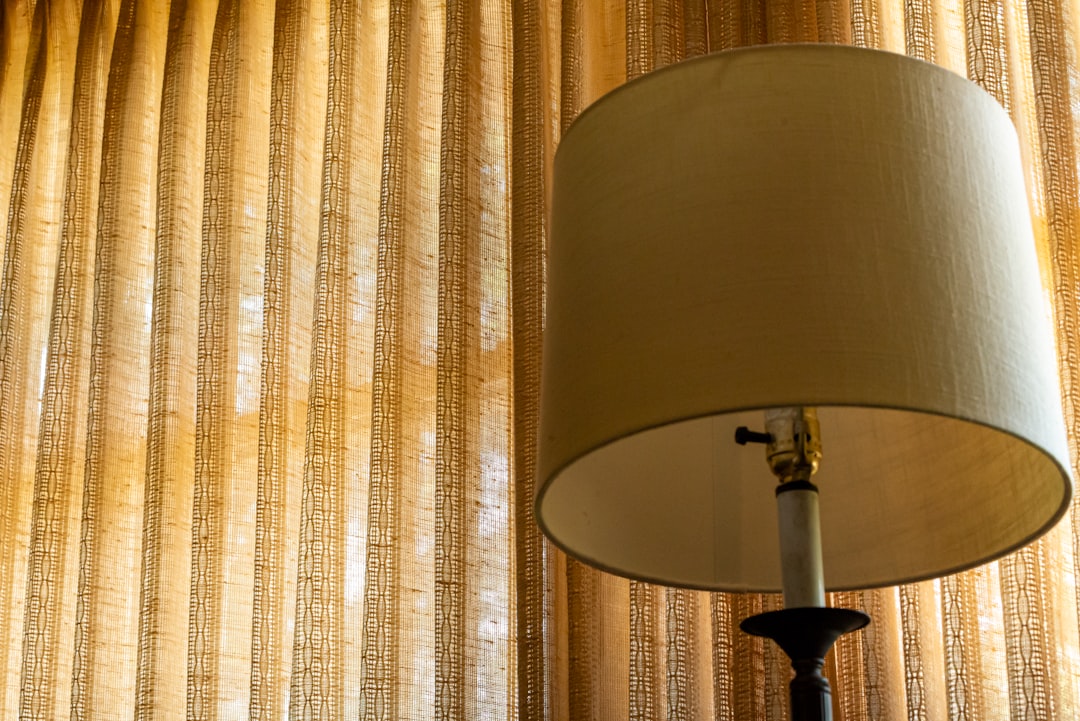
- Drum Shades: Offer a more diffused light, spreading it around the room as well as downwards. Often made of fabric or paper, they create a softer glow.
- Exposed Bulbs: Some minimalist or industrial designs feature an exposed bulb. This can be stylish, but make sure to use a low-wattage, warm-toned bulb (like an Edison bulb) to avoid harsh glare.
- Adjustable Shades: Some lamps have shades that can be tilted or swiveled, giving you even more control over where the light falls.
Bulb Choices and Temperature
With LED technology, you have a lot of control over the color and intensity of your light.
- LED Bulbs: Energy-efficient and long-lasting, LEDs are the go-to choice. Many are now dimmable, which is a fantastic feature for an arched lamp.
- Color Temperature (Kelvin): This is crucial for ambiance.
- 2700K – 3000K (Warm White): This mimics traditional incandescent bulbs and creates a cozy, inviting atmosphere – ideal for living rooms and relaxation areas.
- 3500K – 4000K (Neutral White): A good all-purpose light, often used in kitchens or home offices where you need a bit more clarity without being overly cool.
- 5000K+ (Cool White/Daylight): Brighter and more energizing, usually reserved for task lighting or spaces where accuracy is paramount, like workshops. For a sofa corner, it’s generally too harsh.
- Dimmable Feature: An absolute must-have. Being able to adjust the brightness from a soft glow to bright task lighting makes your lamp incredibly versatile. Look for lamps with built-in dimmers or ensure they are compatible with dimmable bulbs and a separate dimmer switch if you want to add one.
Placement Perfection: More Than Just the Corner
While the focus is on awkward corners, the exact placement and surrounding elements can significantly impact the lamp’s effectiveness and overall look.
The “Sweet Spot” Next to Your Sofa
Experiment with how far into the corner you place the base and how much of the arc extends over the sofa.
- For Reading: If it’s primarily for reading, aim for the light to be directly above or slightly behind your shoulder when seated.
- For General Ambiance: If it’s more about filling space and general lighting, you have more flexibility. Ensure the base isn’t a trip hazard and the shade doesn’t obstruct views or head space.
- Visual Balance: Step back and look at the lamp in relation to the sofa and the rest of the room. Does it look balanced? Is it too far out, or too tucked away? A slight adjustment can make a big difference.
Pairing with Other Elements
An arched lamp doesn’t have to be a solo act. It can work wonderfully with other pieces.
- Small Side Table: If there’s enough space, a small, low side table can be placed near the lamp’s base for a drink or a remote. The lamp’s arch can still reach over the table and sofa.
- Plants: A tall, slender plant (like a snake plant or a fiddle-leaf fig) can look great near the base of the lamp, adding another layer of texture and life to the corner. Ensure the plant doesn’t block the light or get too hot from the bulb.
- Artwork: If the lamp casts light on a wall, consider placing a piece of artwork there. The lamp can act as an accent light, highlighting the art and further enhancing the corner.
- Throws & Pillows: These soft furnishings naturally draw the eye and create a sense of comfort, enhancing the cozy vibe the arched lamp helps to create.
Beyond the Living Room: Other Awkward Spaces
Don’t limit your arched lamp thinking to just the living room sofa. These versatile lamps can solve lighting and aesthetic dilemmas in several other areas of your home.
Over a Dining Nook
If you have a small dining table tucked into a corner or against a wall, an arched lamp can provide elegant overhead lighting without the need for ceiling wiring. It defines the dining space and creates a more intimate atmosphere.
Bedroom Reading Nooks
Got an armchair in the corner of your bedroom? An arched lamp transforms it into a dedicated reading nook. It provides focused light without needing a bedside table or cluttering a nightstand.
Home Office Desks
For a desk tucked into a tight space, an arched lamp can provide excellent task lighting that reaches over your workspace, leaving your desk surface free from bulky lamps. It’s a stylish and practical alternative to a traditional desk lamp.
Open-Concept Areas
In large open-concept rooms, an arched lamp can help define different zones. Placing one over a specific seating arrangement can subtly delineate that area from the rest of the room, adding structure and visual interest.
Maintenance and Safety Tips
While generally low-maintenance, a few practical considerations will ensure your arched lamp remains a safe and stylish fixture in your home for years to come.
Cleaning
- Shade: For fabric shades, a lint roller or a soft brush can remove dust. Metal or plastic shades can be wiped with a damp cloth. Always unplug the lamp first.
- Base and Pole: Dust regularly with a microfiber cloth. For smudges, use a very lightly damp cloth and dry immediately, especially for metallic finishes to prevent water spots.
- Bulb: When the lamp is off and cool, you can gently wipe the bulb with a dry cloth if it gets dusty, but generally, leave it alone.
Stability and Placement
- Level Surface: Always place the lamp on a flat, level surface to ensure stability. Most arched lamps have a heavy base, but uneven flooring can still pose a risk.
- Cord Management: Keep the cord tucked away and out of traffic paths to prevent tripping hazards. Cable ties or cord covers can be very useful here.
- Clearance: Ensure there’s adequate clearance around the bulb and shade, especially if you have curtains or other flammable materials nearby. While modern LED bulbs don’t generate much heat, it’s always best practice.
- Children and Pets: If you have young children or active pets, consider the lamp’s placement. An arched lamp can be quite sturdy, but a curious child or a rambunctious pet could potentially knock it over. Look for lamps with particularly heavy and wide bases for maximum stability if this is a concern.
By keeping these points in mind, you can select and style an arched floor lamp that not only brightens up that awkward corner but also elevates the entire feel of your room. It’s a simple change that delivers big impact.
