
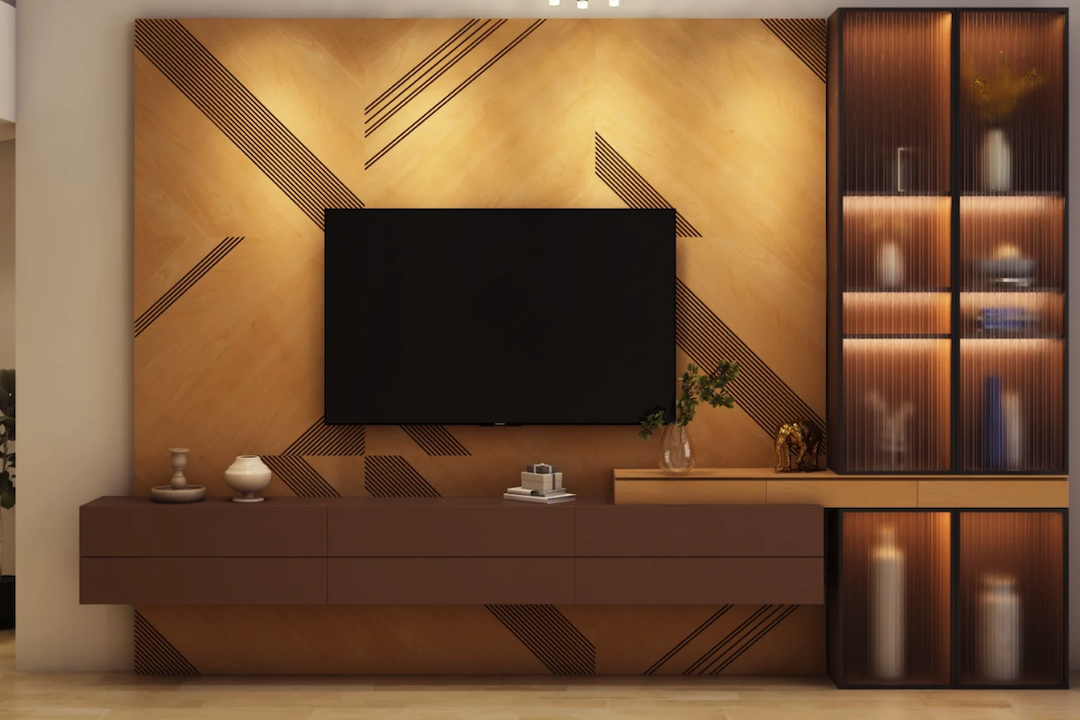
Thinking about adding a touch of sophistication to your living room? A walnut veneer TV wall light might be just the thing. These not only provide beautiful accent lighting but also bring the rich, natural warmth of walnut into your space. Let’s dive into what makes them special and how you can make them work for your home.
Walnut veneer isn’t just a fancy term; it’s a design choice that speaks volumes. When used in a TV wall light, it transforms a functional piece into a statement of understated luxury.
Why Walnut Veneer Stands Out
- Natural Beauty: Walnut wood, even in veneer form, possesses a depth of color and an inherent grain pattern that’s hard to replicate. It’s warm, inviting, and timeless. This natural beauty adds a sophisticated, organic feel that can balance the often sleek, modern look of electronics.
- Rich Tones: The characteristic deep brown hues of walnut, ranging from lighter caramel shades to richer chocolate tones, offer a versatile palette. This richness can complement a wide array of interior design styles, from contemporary minimalist to more traditional or even transitional aesthetics.
- Durability and Consistency: While you might think of solid wood, veneer offers a more stable and consistent appearance. It’s less prone to warping or cracking due to humidity changes, which is a plus for any fixture in a home. This means your lighting Uikobo investment will maintain its elegant look for years to come.
- Cost-Effectiveness (Compared to Solid Walnut): Using veneer allows you to achieve the luxurious look of solid walnut without the significant price tag. This makes high-end aesthetics more accessible for your living room.
Veneer vs. Solid Wood: What’s the Difference for Your Light?
When you’re considering a walnut veneer TV wall light, it’s helpful to understand what veneer actually is.
What Exactly is Wood Veneer?
Veneer is essentially a thin slice of real wood, usually taken from a log with particularly attractive grain. This thin slice is then expertly applied to a core material, often MDF (medium-density fiberboard) or plywood, to create a panel. For lighting fixtures, this core material provides structural integrity, while the veneer provides the aesthetic appeal of solid wood.
Advantages of Veneer in Lighting
- Aesthetic Replication: Modern veneering techniques can perfectly mimic the grain and color of solid walnut, offering the same visual impact.
- Stability: As mentioned, veneer panels are more stable than solid wood, making them a practical choice for manufactured items like light fixtures. This means less worry about your beautiful walnut piece warping or cracking over time due to temperature or humidity fluctuations in your living room.
- Sustainability: Veneer can be a more sustainable choice. A single log can be used to create a much larger surface area of veneered panels compared to solid wood, using resources more efficiently.
When Solid Walnut Might Still Be Considered
While veneer is excellent for many applications, there are instances where solid wood might still be prioritized, though usually at a higher cost and with considerations for stability:
- Tactile Qualities: Some people prefer the direct, unadulterated, three-dimensional feel of solid wood and its unique imperfections.
- Restoration Projects: In some older homes or for specific design visions, solid wood might be more authentic.
For a TV wall light, however, the stability and cost-effectiveness of high-quality veneering make it a compelling and practical choice for achieving that luxurious walnut look.
Integrating Walnut Veneer TV Wall Lighting into Your Luxury Living Room
The beauty of a walnut veneer TV wall light lies not just in its material but in its ability to blend seamlessly with and elevate your existing luxury decor.
Creating Ambiance with Light and Wood
A TV wall light isn’t just about illumination; it’s about creating an atmosphere. The combination of warm light and the rich texture of walnut is a powerful duo.
The Role of Ambient Lighting
- Soft, Gradual Illumination: TV wall lights are typically designed to provide indirect or diffused light. This avoids harsh glare on your screen and creates a soft, inviting glow in your living room.
- Mood Setting: The warm tones of walnut, combined with the right light temperature (usually a warm white), can make your living room feel cozy, sophisticated, and relaxing. It’s perfect for unwinding after a long day or entertaining guests.
- Highlighting Textures: The interplay of light and shadow across the walnut grain can add depth and dimension, enhancing the tactile quality of the material and making it a focal point.
Complementing Your Color Palette
Walnut veneer’s inherent color richness makes it surprisingly adaptable.
Pairing with Neutral Tones
- Classic Elegance: Walnut pairs beautifully with classic neutrals like cream, beige, charcoal gray, and crisp whites. This combination creates a timeless and sophisticated look where the walnut acts as a warm, grounding element.
- Modern Contrast: In a more modern space, walnut can provide a welcome touch of warmth against cool grays or stark whites, preventing the room from feeling sterile.
Adding Warmth to Bold Colors
- Rich Accents: Don’t shy away from pairing walnut with deeper, richer colors like deep blues, forest greens, or even muted burgundy. The wood adds an organic depth that can make these bold choices feel even more luxurious and inviting.
- Balancing Act: The key is to ensure the walnut doesn’t get lost. Use it as a prominent accent piece, allowing its natural beauty to shine through.
Design Considerations for TV Wall Lights
When choosing a walnut veneer TV wall light, the design of the fixture itself is as important as the material.
Fixture Styles and Shapes
- Sleek Linear Designs: These often run horizontally above or beside the TV, providing a clean, modern line that echoes the form of the television.
- Curved or Sculptural Forms: Some lights are designed with more organic shapes, adding an artistic element to the wall. The walnut veneer can enhance these softer lines.
- Integrated Shelf/Niche Lights: Some designs incorporate a small shelf or niche finished in walnut veneer, which can hold decorative items or act as a subtle shelf for soundbars, with integrated lighting behind or around it.
- Minimalist Mounts: For a truly understated look, consider fixtures where the walnut veneer is a subtle accent on a minimalist bracket, with the light source cleverly concealed.
Placement and Scale
- Sizing Up: The scale of your walnut veneer TV wall light should be proportionate to your TV and the wall space. Too small, and it will look insignificant; too large, and it can overwhelm the area.
- Above or Beside: The most common placement is centered above the TV. However, flanking the TV with two lights or using a longer linear light that stretches across the width of the entertainment unit can also be very effective.
- Clearance: Ensure there’s adequate clearance between the light fixture and the top of the TV to prevent overheating and direct glare onto the screen. Most manufacturers provide specific guidelines.
Material and Finish: The Nuances of Walnut Veneer
The quality of the walnut veneer and its finish will significantly impact the overall luxury feel of your TV wall light.
Understanding Veneer Grades and Cuts
Not all walnut veneer is created equal. Like solid wood, the way it’s cut and graded affects its appearance.
Grain Patterns to Look For
- Plain Sliced (Flat Cut): This is the most common cut and offers a broad, cathedral-like grain pattern. It’s versatile and generally provides a consistent, elegant look.
- Quarter Sawn: This cut produces a straighter, more uniform grain pattern, often with beautiful ray flecks. It can appear slightly more formal.
- Rift Cut: This is a variation of quarter sawing that yields a very straight, linear grain, often preferred for modern minimalist designs.
- Bookmatching: High-end woodworkers often “bookmatch” veneer panels. This means two panels are laid side-by-side so that their grain patterns mirror each other, creating a continuous, symmetrical visual effect. This is a hallmark of quality craftsmanship.
Real Wood vs. Laminates
- The Real Deal: Ensure you are getting genuine walnut veneer. This means you are getting real wood with all its natural variations, warmth, and depth.
- Beware of Imitations: Some cheaper alternatives might use printed laminates that mimic wood grain. While they can look convincing from a distance, they lack the tactile feel, depth, and longevity of real veneer. Always check product descriptions and specifications carefully.
The Impact of Finishes
The finish applied over the walnut veneer plays a crucial role in protecting the wood and dictating its final appearance.
Common Finish Types
- Lacquer: A durable, protective finish that can range from a matte to a high gloss. For a luxury look, a satin or semi-gloss lacquer often strikes a good balance, providing protection and a subtle sheen.
- Polyurethane: Another common and durable finish, offering good resistance to moisture and wear.
- Oiled Finishes: Some premium fixtures might use natural oil finishes. These enhance the wood’s natural look and feel, but may require more maintenance.
Achieving a Luxurious Sheen
- Matte Finish: Offers a very modern and understated look, allowing the natural grain to be the focus without any distracting reflections.
- Satin Finish: Provides a subtle sheen that highlights the wood’s texture and color without being overly reflective. This is often the go-to for a refined, luxurious feel.
- High Gloss: For a more dramatic and contemporary statement, a high-gloss finish can reflect light and add a touch of glamour. However, it can also show fingerprints more easily.
When selecting your walnut veneer TV wall light, consider the overall style of your living room. A matte or satin finish will generally lend itself better to a timeless, sophisticated luxury, while high gloss might be more suited to a very modern, bolder aesthetic.
Technical Aspects: Lighting Quality and Installation
Beyond aesthetics, the technical features of a TV wall light are vital for both its performance and safety.
Light Source and Quality
The type of bulb and its characteristics are paramount to achieving the desired ambiance.
LED Technology: The Modern Standard
- Energy Efficiency: LEDs are incredibly energy-efficient, meaning lower electricity bills for your luxury living room.
- Longevity: They have a much longer lifespan than traditional incandescent bulbs, reducing the need for frequent replacements.
- Versatility: LEDs offer a wide range of color temperatures and brightness levels.
Color Temperature: Warmth is Key
- Kelvin Scale: Color temperature is measured in Kelvin (K).
- Warm White (2700K – 3000K): This is the most desirable range for living rooms, mimicking the warm, cozy glow of incandescent bulbs. It’s perfect for creating a relaxing atmosphere and significantly enhances the warmth of walnut veneer.
- Neutral White (3500K – 4000K): This can be a bit too cool for a cozy living room but might work in some contemporary settings where a crisper light is desired.
- Cool White/Daylight (5000K+): Generally too harsh and blue-toned for a living room ambiance.
Dimmability for Ultimate Control
- Adjustable Ambiance: A dimmable feature allows you to control the intensity of the light, tailoring the mood from bright and welcoming to a soft, intimate glow. This is crucial for a luxury living room, offering flexibility for different occasions.
- Compatibility: Ensure the light fixture is compatible with your dimmer switch. Not all LED lights are dimmable, and some require specific types of dimmers. Check the product specifications carefully.
Installation and Safety
Proper installation is non-negotiable for both the longevity of the fixture and your safety.
Professional Installation Recommended
- Electrical Wiring: Installing a new light fixture often involves working with electrical wiring. Unless you have significant experience and are confident in your abilities, it’s best to hire a qualified electrician.
- Secure Mounting: The fixture needs to be securely mounted to the wall to prevent it from falling. A professional will ensure it’s properly anchored.
- Compliance with Codes: Electricians are aware of local building codes and safety regulations, ensuring your installation is compliant.
DIY Considerations (with Caution)
If you are experienced with electrical work and your existing wiring is suitable:
- Power Source: Identify the appropriate power source. This might involve tapping into an existing circuit or running a new one.
- Mounting Bracket: Most fixtures come with a mounting bracket. Ensure it’s securely attached to a wall stud or uses appropriate anchors for drywall.
- Wire Connections: Follow the manufacturer’s instructions precisely for connecting the wires, ensuring proper polarity and secure connections (usually with wire nuts).
- Grounding: Don’t forget to connect the ground wire for safety.
- Turn Off Power: Always turn off the power to the circuit at the breaker box before starting any electrical work. Use a voltage tester to confirm the power is off.
Important Safety Features to Look For
- UL Certification: Look for fixtures that are UL (Underwriters Laboratories) listed or certified by other reputable safety organizations. This indicates that the product has been tested and meets safety standards.
- Heat Dissipation: Ensure the design allows for adequate heat dissipation, especially if LED strips are integrated. Walnut veneer, while relatively stable, should not be subjected to excessive heat.
Styling and Placement: Maximizing Your Walnut Veneer TV Light
Once you’ve chosen and installed your elegant walnut veneer TV wall light, the next step is to integrate it seamlessly into your living room’s design.
Harmonizing with Your Entertainment Unit
The TV wall light isn’t an isolated element; it should complement the entire entertainment setup.
Beyond Just the TV
- Console Table Synergy: If you have a media console or cabinet below the TV, ensure the style and finish of your walnut veneer light complements its design. A walnut veneer light can tie in beautifully with a walnut or even a contrasting darker wood console.
- Shelf Integration: If your setup includes shelves, consider how the light will interact with them. A light positioned above open shelves can create a beautiful glow on displayed items.
- Balanced Proportions: The visual weight of the light fixture, the TV, and the media unit should feel balanced. A sleek linear light might work well with a minimalist floating shelf, while a more decorative fixture could suit a larger, more ornate console.
Complementary Decor Elements
Think of your TV wall light as an art piece that also provides functionality.
Adding Texture and Warmth
- Textile Choices: The warm tones of the walnut will pair exceptionally well with rich textiles like velvet, chenille, or textured linen in your sofa and accent chairs.
- Metallic Accents: Consider incorporating metallic elements like brushed brass, matte black, or even a subtle brushed nickel. These can add further layers of sophistication and reflect light beautifully.
- Greenery: A touch of natural greenery, whether from houseplants or subtle floral arrangements, can enhance the organic beauty of the walnut and create a more balanced, lived-in feel.
Creating a Focal Point
- Artwork and Mirrors: If your TV wall isn’t the sole focal point, consider how your light fixture interacts with nearby artwork or mirrors. The light can subtly highlight these elements.
- The Power of Negative Space: Sometimes, the absence of clutter is the most luxurious statement. Ensure your TV wall area doesn’t become too busy, allowing the walnut veneer light to breathe and be appreciated.
Seasonal Styling and Updates
Your living room doesn’t have to remain static. Your walnut veneer TV wall light can be a beautiful backdrop for seasonal decor.
Subtle Touches for Different Times of Year
- Autumn/Winter: Enhance the warmth with richer, deeper colored throws and cushions. Small autumnal decorations placed on shelves near the light can be beautifully illuminated.
- Spring/Summer: Lighter, brighter textiles and perhaps some fresh floral arrangements can complement the walnut’s natural tones, preventing it from feeling too heavy.
The key is to use your walnut veneer TV wall light as a consistent element of luxury, updating surrounding decor to reflect the seasons while always allowing the natural beauty of the wood and the ambient light to create an inviting atmosphere.
