
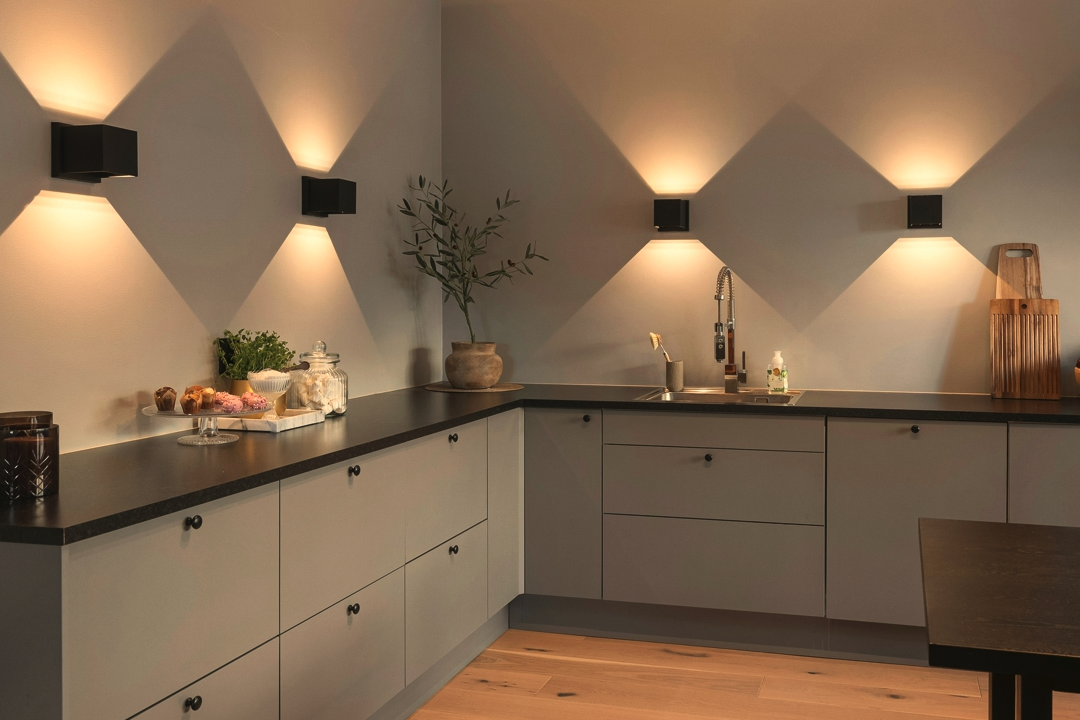
So, you’re wondering how to really make your modern kitchen pop, right? Well, LED spotlights are a fantastic way to do it. They offer clear, focused light exactly where you need it, which is ideal for a hardworking space like a kitchen. Beyond just illuminating your countertops, they can dramatically enhance the aesthetic, making your kitchen feel more refined, spacious, and simply more enjoyable to be in. No more shadowy corners or struggling to see what you’re chopping – just crisp, versatile light that adapts to your needs.
Let’s break down why LEDs are such a smart choice for your kitchen, especially when we’re talking about focused spotlights. It’s not just about a pretty light Seanoon; there’s a lot of practical upside here.
Energy Efficiency & Longevity
One of the biggest wins with LEDs is how little power they use. Compared to old incandescent bulbs, or even some halogens, LEDs are superstars. This means lower electricity bills, which is always a good thing, especially in a room like the kitchen where lights are often on for extended periods.
- Saving You Money: Over time, those energy savings really add up. Think of it as a small, ongoing discount on your utility bill.
- Reduced Maintenance: LED bulbs last, and I mean really last. We’re talking tens of thousands of hours. You won’t be climbing on chairs to change blown bulbs nearly as often, which is a huge convenience, especially if your spotlights are in tricky spots like under cabinets or recessed in the ceiling.
Versatility in Design
Modern kitchens are all about clean lines and smart solutions. LED spotlights fit right in. They’re discreet, come in various forms, and can be integrated seamlessly into your existing design without feeling clunky or out of place.
- Minimalist Aesthetic: Their small size means they don’t draw undue attention to themselves. They provide the light without becoming a visual focal point, which aligns perfectly with modern design philosophies.
- Small Footprint: Unlike larger fixtures, spotlights take up very little physical space, making them ideal for smaller kitchens or areas where you want to maintain an open feel.
Superb Lighting Quality
This is where LEDs really shine (pun intended!). They offer excellent color rendition and a variety of color temperatures, allowing you to tailor the mood and functionality of your kitchen.
- Crisp, Focused Illumination: When you’re prepping food, you need clear, bright light directly on your workspace. Spotlights deliver exactly that, reducing shadows and making tasks safer and easier.
- Color Temperature Options: You’re not stuck with one kind of light. Want something cool and bright for task work (e.g., 4000K-5000K)? Or a warmer, inviting glow for dining (e.g., 2700K-3000K)? LEDs offer this flexibility.
- High CRI (Color Rendering Index): A high CRI means colors look true to life under the light. This is particularly important in the kitchen for seeing the actual color of your ingredients and cooked food, not some washed-out version.
Where to Place Your Kitchen Spotlights
Strategic placement is key to getting the most out of your LED spotlights. Think about the different zones in your kitchen and what each area needs.
Under-Cabinet Lighting
This is probably the most common and effective application for spotlights in a kitchen. It directly illuminates your primary workstations.
- Task Lighting Gold Standard: For chopping, mixing, and preparing food, under-cabinet lighting is indispensable. It gets rid of the shadows your upper cabinets cast when you’re working at the counter.
- Even Light Distribution: Spaced correctly, mini LED spotlights under cabinets can provide a continuous band of light across your entire countertop.
- Accent & Ambiance: Beyond task lighting, under-cabinet spots can create a lovely ambient glow, especially in the evening when you don’t need full overhead lighting.
Recessed Ceiling Spotlights
These are built directly into your ceiling, offering a clean, unobstructed look. They’re excellent for general illumination and highlighting specific features.
- General Illumination: A grid of recessed spotlights can provide even, overall brightness in your kitchen without any bulky fixtures hanging down. This is particularly good for maintaining a minimalist ceiling.
- Zone Lighting: You can group these spotlights on separate switches or dimmers to illuminate specific zones – perhaps brighter over the central island, and softer over a dining nook.
- Highlighting Features: Aim a spotlight towards a piece of artwork, an open shelf with decorative items, or a textured backsplash to draw attention to them.
Over-Island or Peninsula Lighting
If you have an island or peninsula, spotlights can be a fantastic alternative or complement to pendant lights, especially if you prefer a less cluttered look.
- Focused Task Lighting: Just like under-cabinet lighting, a series of spotlights recessed into the ceiling directly above your island or peninsula provides excellent task lighting for prep work or homework.
- Avoiding Obstruction: Unlike pendants, recessed spotlights don’t obstruct views or create visual clutter, which can be a real plus in an open-plan kitchen.
- Layered Lighting: You can use spotlights for primary illumination and add subtle under-island strip lighting for mood, creating a dynamic lighting scheme.
Inside Cabinet Lighting
This is a less common but very stylish application, especially for glass-front cabinets or open shelving.
- Showcasing Dishware: If you have beautiful glassware, ceramics, or collectibles, small spotlights inside your cabinets can turn them into display cases.
- Finding Items Easily: Practically, it also helps you find what you’re looking for without fumbling in the dark.
- Adding Depth & Interest: Lit cabinets add another layer of light and visual interest to your kitchen, making it feel more bespoke.
Kickboard/Toe-Kick Lighting
Don’t overlook the lowest level! Lighting the kickboards can add a subtle, sophisticated touch.
- Nightlight Functionality: Perfect for late-night trips to the kitchen without blinding yourself with full overhead lights. It provides just enough light to navigate safely.
- Floating Effect: It can make your cabinets appear to “float” above the floor, adding a modern, airy feel.
- Ambient Glow: Contributes to the overall ambiance, especially when dimmed.
Choosing the Right Spotlights
Once you know where you want them, the next step is picking the right spotlight for the job. There are a few key factors to consider beyond just “it’s an LED.”
Beam Angle
This refers to how wide or narrow the light spread is. It’s crucial for achieving the desired effect.
- Narrow Beam (10-25 degrees): Ideal for accent lighting. Use these to highlight specific features like a piece of art, a plant, or a beautiful splashback. They create dramatic pools of light.
- Medium Beam (30-45 degrees): A good all-rounder for task lighting (e.g., over a countertop or island) where you want focused light without it being too harsh or narrow.
- Wide Beam (60+ degrees): Better for general illumination, spreading light more evenly across a larger area. You might use these in recessed ceiling fixtures to wash a wall with light.
Color Temperature (CCT)
Measured in Kelvin (K), this determines whether your light is warm, neutral, or cool.
- Warm White (2700K – 3000K): Similar to incandescent bulbs, this creates a cozy, inviting atmosphere. Great for dining areas or if your kitchen has warm wood tones.
- Neutral White (3500K – 4000K): A good balance for general kitchen use. It’s bright and clean without being sterile, making colors appear natural. Ideal for task lighting.
- Cool White (4500K – 5000K): Brighter and more clinical. Can be very effective for task-intensive areas or modern, minimalist kitchens where a crisp feel is desired. Less common for overall kitchen ambient lighting as it can feel a bit harsh.
Dimmability
This is a non-negotiable for modern kitchen lighting flexibility.
- Mood & Functionality: Dimmable spotlights allow you to adjust the brightness to suit the time of day and activity. Full brightness for cooking, dimmed for entertaining, or a soft glow for a late-night snack.
- Energy Savings: Dimming also uses less power, extending the life of your LEDs even further.
- Compatible Dimmers: Just make sure your LED spotlights are explicitly listed as dimmable and that you use a compatible LED dimmer switch. Not all dimmers work with LEDs, and using the wrong one can lead to flickering or premature bulb failure.
IP Rating (Ingress Protection)
This rating tells you how much protection the light has against dust and water. Crucial in a kitchen.
- Zone 1 (Directly above sink/hob) & Zone 2 (Adjacent to sink/hob): These areas might require higher IP ratings (e.g., IP44 or IP65) to protect against splashes and steam. While spotlights aren’t usually directly in the sink, overhead or near-hob lights need consideration.
- General Kitchen Areas: For most under-cabinet or ceiling spots not directly exposed to water, a lower IP rating like IP20 is often sufficient, as long as it’s not subject to direct splashes.
Installation Considerations
Now, a bit about getting these beauties into your kitchen. Unless you’re very comfortable with basic electrical work, it’s often best to call in a professional.
DIY vs. Professional
While some surface-mounted LED puck lights are plug-and-play, most recessed or wired-in spotlights are a bit more involved.
- Safety First: Dealing with electricity always carries risk. If you’re unsure, an electrician will ensure everything is wired correctly and safely.
- Building Codes: There are specific regulations for electrical installations, especially in kitchens. A professional will ensure your setup meets these codes.
- Clean Finish: An electrician can achieve a much cleaner, more integrated look, especially with recessed lighting that requires cutting into cabinets or ceilings.
Type of Installation
There are a few main ways spotlights are installed.
- Recessed: These are flush with the surface (ceiling, cabinet underside). They involve cutting a hole and fitting the fixture into it. Requires careful planning.
- Surface Mounted: These sit on the surface, offering easier installation but slightly less discreet. Good for under-cabinet lighting if you prefer not to cut into your cabinets.
- Puck Lights: Small, circular lights, often surface-mounted or semi-recessed. Very popular for under-cabinet applications.
- Spotlight Bars/Tracks: A system where multiple spotlights are mounted onto a track, allowing for adjustability and aiming. Can be a good option for specific task areas.
Driver/Transformer
LEDs typically run on low voltage DC power, so they need a driver (also sometimes called a transformer) to convert your household AC power.
- Integrated vs. External: Some LED spotlights have the drivers built right in, making installation simpler. Others have external drivers that need to be hidden away (e.g., inside a cabinet, above the ceiling).
- Load Matching: It’s important that the driver is appropriately sized for the total wattage of the LEDs it’s powering. An electrician will ensure this is correctly calculated.
Practical Tips for Your Spotlights
To wrap things up, here are a few actionable tips to make your LED spotlight project a success.
Plan Your Layout Meticulously
Before buying anything or cutting holes, sketch out your kitchen and where you envision each light.
- Draw it Out: Use graph paper or a simple drawing to mark out where lights will go. Consider spacing for even illumination.
- Consider Work Zones: Think about where you chop, cook, wash, and eat. Direct light to these areas.
- Walkthrough at Night: Imagine your kitchen at night. Where are the dark spots? What do you want to highlight?
Don’t Underestimate Dimmers
Seriously, get dimmers. They transform your kitchen lighting from purely functional to wonderfully versatile.
- Set the Scene: Bright for cooking, soft for dinner, a gentle glow for a morning coffee. Dimmers give you this control.
- Layering Light: They’re essential for creating those layered lighting schemes where different lights in different zones work together to create the perfect mood.
Balance Task and Ambient Lighting
Your kitchen needs more than just spotlights, but spotlights play a crucial role in the overall effect.
- General Ambient: Typically from ceiling lights, providing a base level of illumination.
- Task Lighting: Spotlights are perfect for this, as discussed (under-cabinet, over-island).
- Accent Lighting: Again, spotlights are great here for highlighting features.
- Decorative Lighting: Think pendant lights or even built-in lighting in shelves.
The key is to use different types of lighting together, and spotlights are the workhorse that bridges the gap between focused task lighting and subtle accenting, making your modern kitchen truly functional and beautiful.
Think About Future Accessibility
While LEDs last a long time, nothing lasts forever. Plan for how you’ll access them if they ever need replacing or maintenance.
- Recessed Lights: Ensure you can easily remove the trim to access the bulb/fixture.
- Under-Cabinet: If they’re tucked away, make sure you can reach them without dismantling your entire cabinet system.
By integrating LED spotlights thoughtfully, you’re not just adding lights; you’re upgrading the functionality, aesthetics, and overall enjoyment of your modern kitchen. They are a practical, stylish, and energy-efficient choice that can truly elevate the heart of your home.
